Carevo Polje

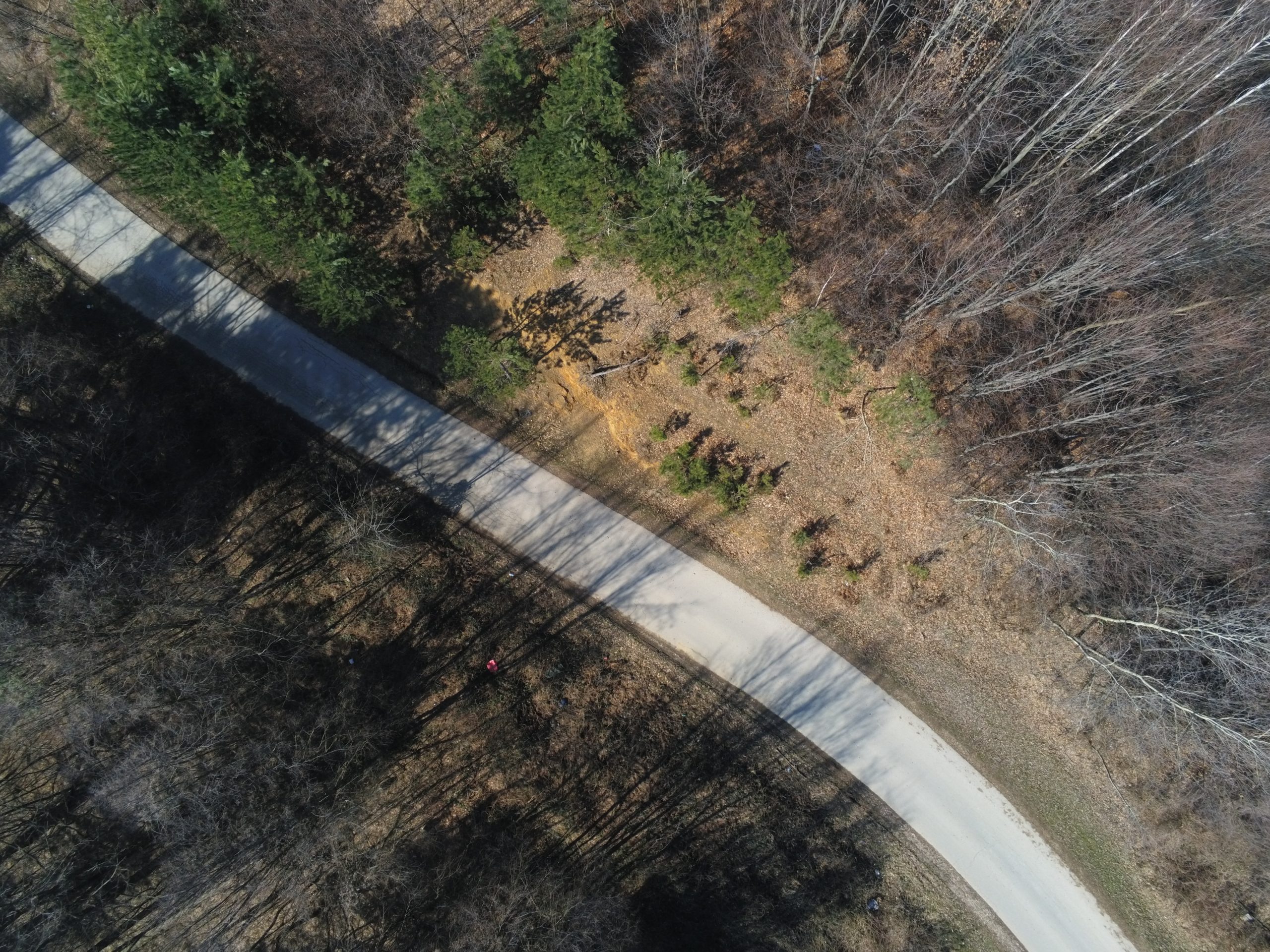
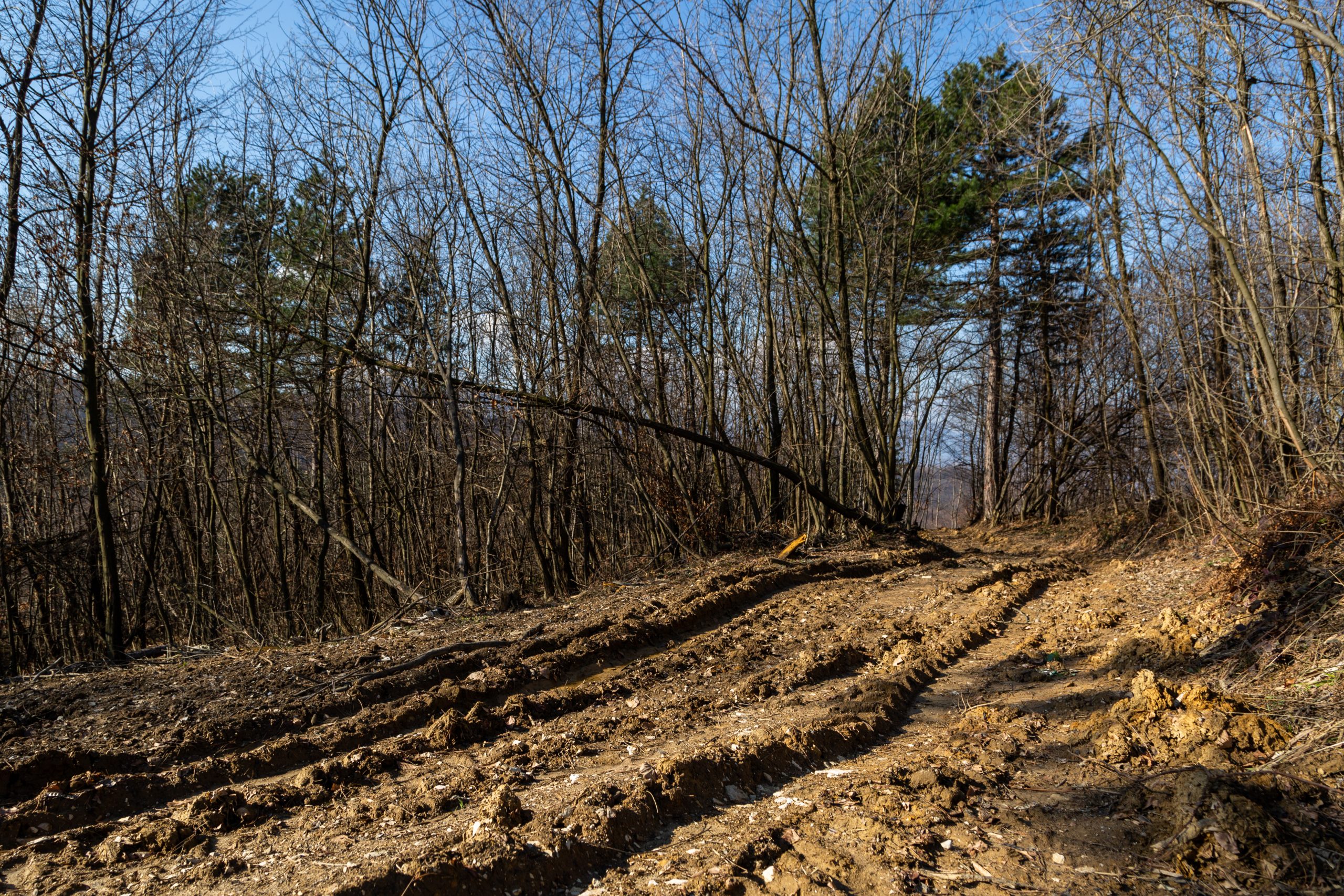
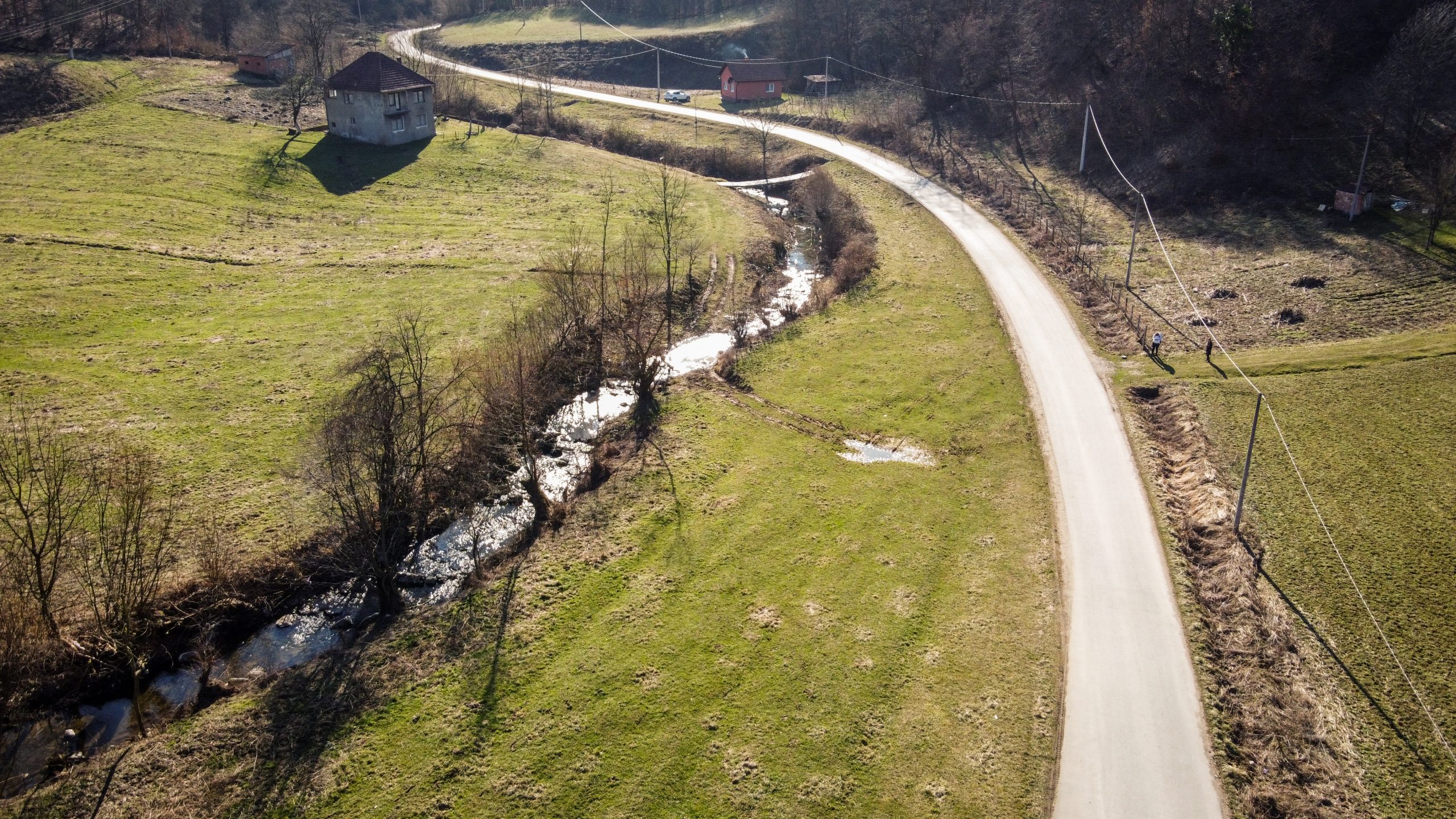
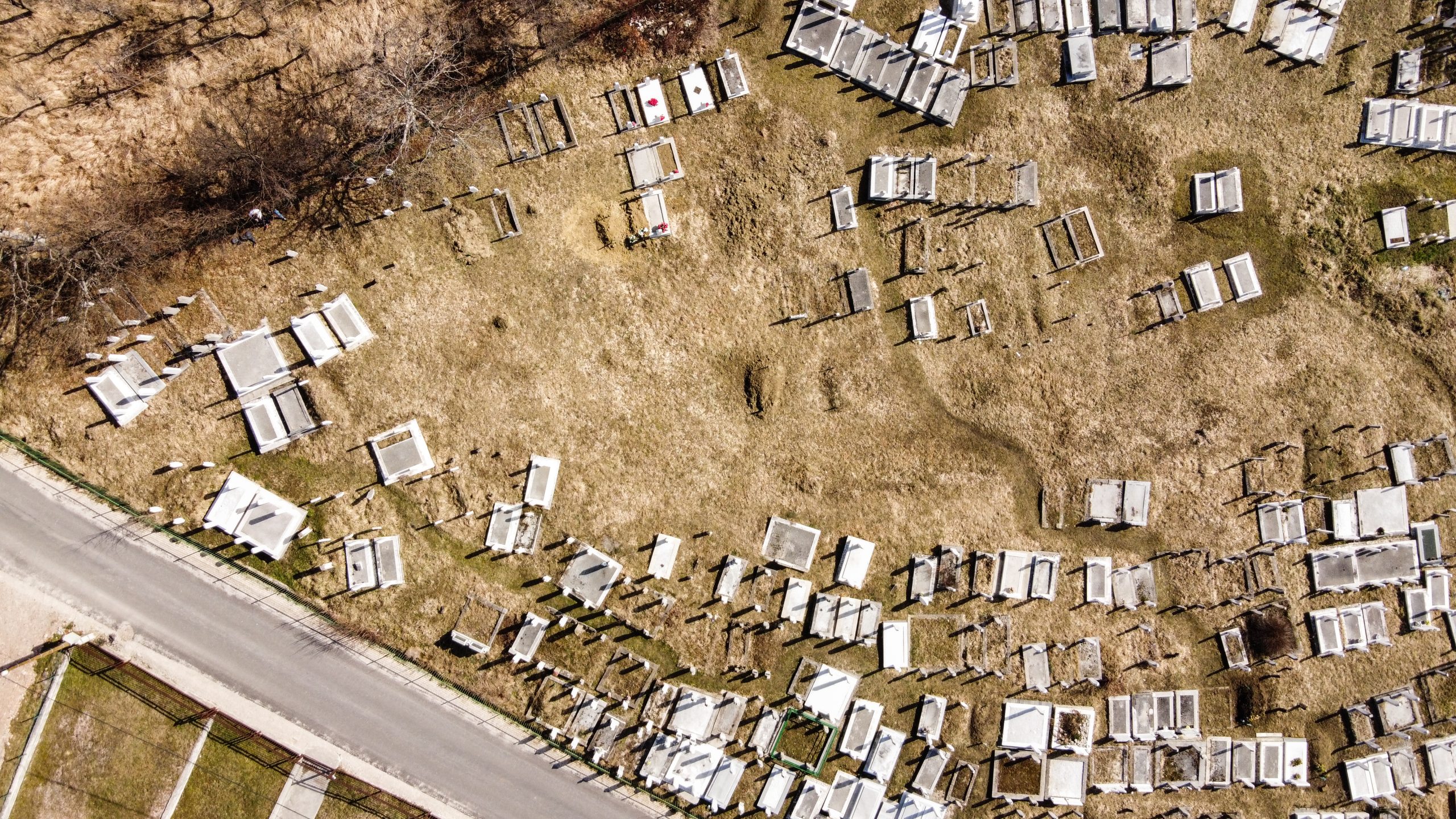
Carevo Polje is a primary mass grave located in the city of Jajce in central Bosnia and Herzegovina. The mass grave was discovered at the local graveyard and consisted of two pits a small distance from each other. The graves contained the remains of Bosnian Serb war victims from the municipality of Donji Vakuf. In 1998, the remains of 81 people were exhumed from the pits, including two children aged seven and nine. Twenty-one years later, in 2019, the remains of at least two people, believed to be Serbs killed in the 1992-95 war, were exhumed from another hidden grave in Carevo Polje.

The mass grave site remains unmarked. Families of the dead and war victims’ associations have been attempting to mark the murder site with a memorial plaque, but permission has not yet been granted by the municipality of Jajce.

In September 1995, Bosnian Croat troops attacked a convoy of Serb refugees from Donji Vakuf who were trying to escape to safety further north in the Serb-held city of Banja Luka, some 100 kilometres away by road. While the bus in which they were travelling was passing through the abandoned village of Bravnice, near the town of Jajce, it was attacked and 81 civilians were killed. Nine Bosnian Serb Army soldiers were also killed, police said, and a number of people were injured. Civilians who were captured in the ambush were taken to detention facilities.

The Hague Tribunal’s verdict acquitting Croatian Army generals Ante Gotovina and Mladen Markac said that from September 8 to 15, 1995, the Croatian Army and Croatian Defence Council, HVO units, working with the Bosnian Army, conducted Operation Maestral with the aim of taking control over an area near the Bosnian towns of Drvar, Sipovo, Jajce, Bosanski Petrovac, Bosanska Krupa and Kljuc. 

The verdict said that one of the units participating in Operation Maestral was the 4th Guards Brigade of the Croatian Army, commanded by general Damir Krsticevic, who later became Croatia’s defence minister and deputy prime minister from 2016 to 2020. Krsticevic has denied that the brigade was involved in the Bravnice ambush, insisting that it was at its headquarters in Split when the attack happened.

A survivor of the ambush in Bravnice, Nadezda Jankovic, insisted that the 4th Guards Brigade was involved in the attack. “Members of that army were in a trench, from where they attacked the bus and halted it, while the HVO members came from the other side, across the bridge, and they condemned the attack and offered help,” Jankovic told BIRN.

She said she saw soldiers in camouflage uniforms after the attack: “They went past us, laughing. They said they had butchered us well. There were also some soldiers who came up to us and dressed our wounds. Those soldiers had symbols of the HVO and a [Croat] checkered flag on their sleeves.”

No one has ever been charged with the killings in Bravnice. The Bosnian state prosecution has been conducting an investigation.
Bimeks Farm

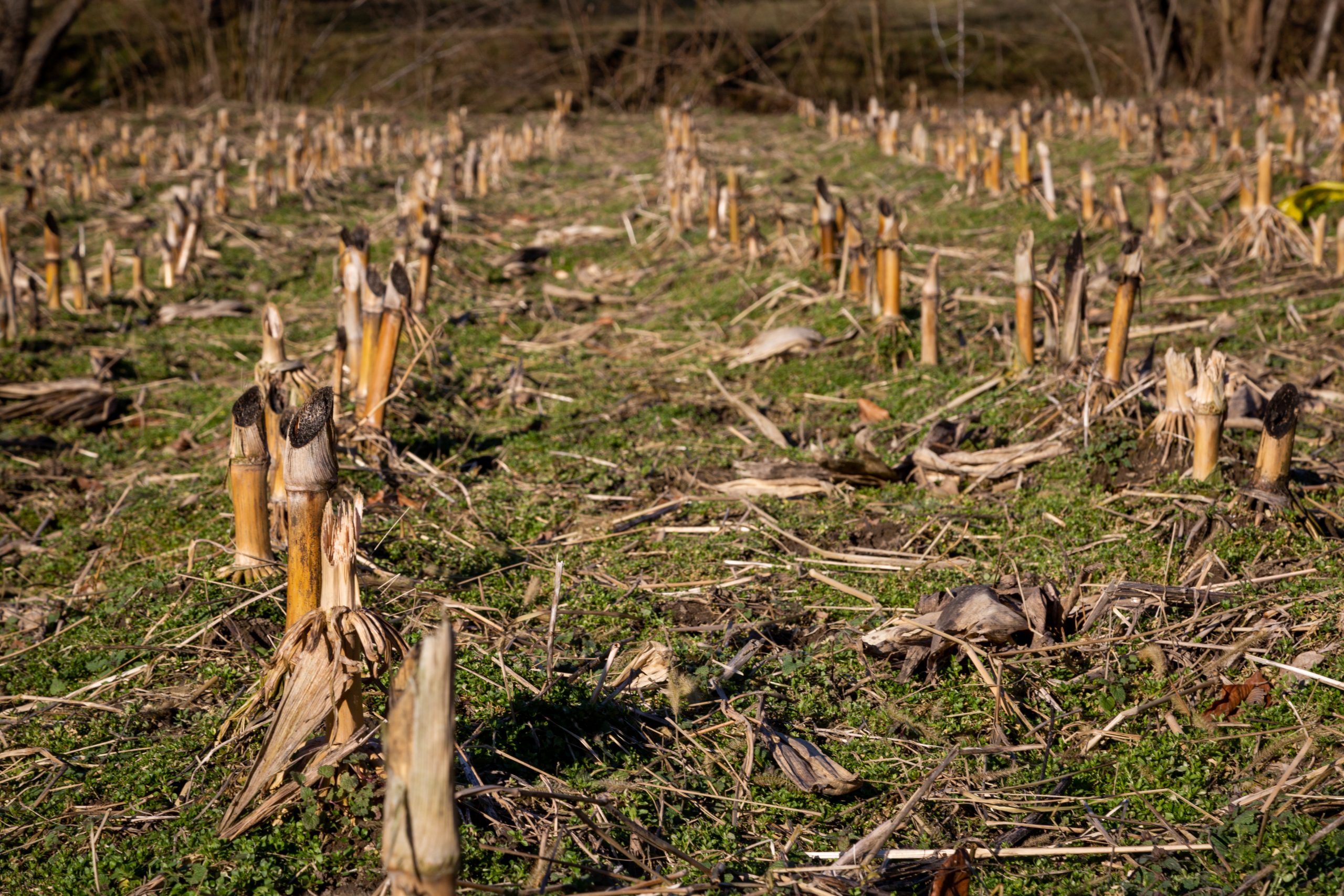
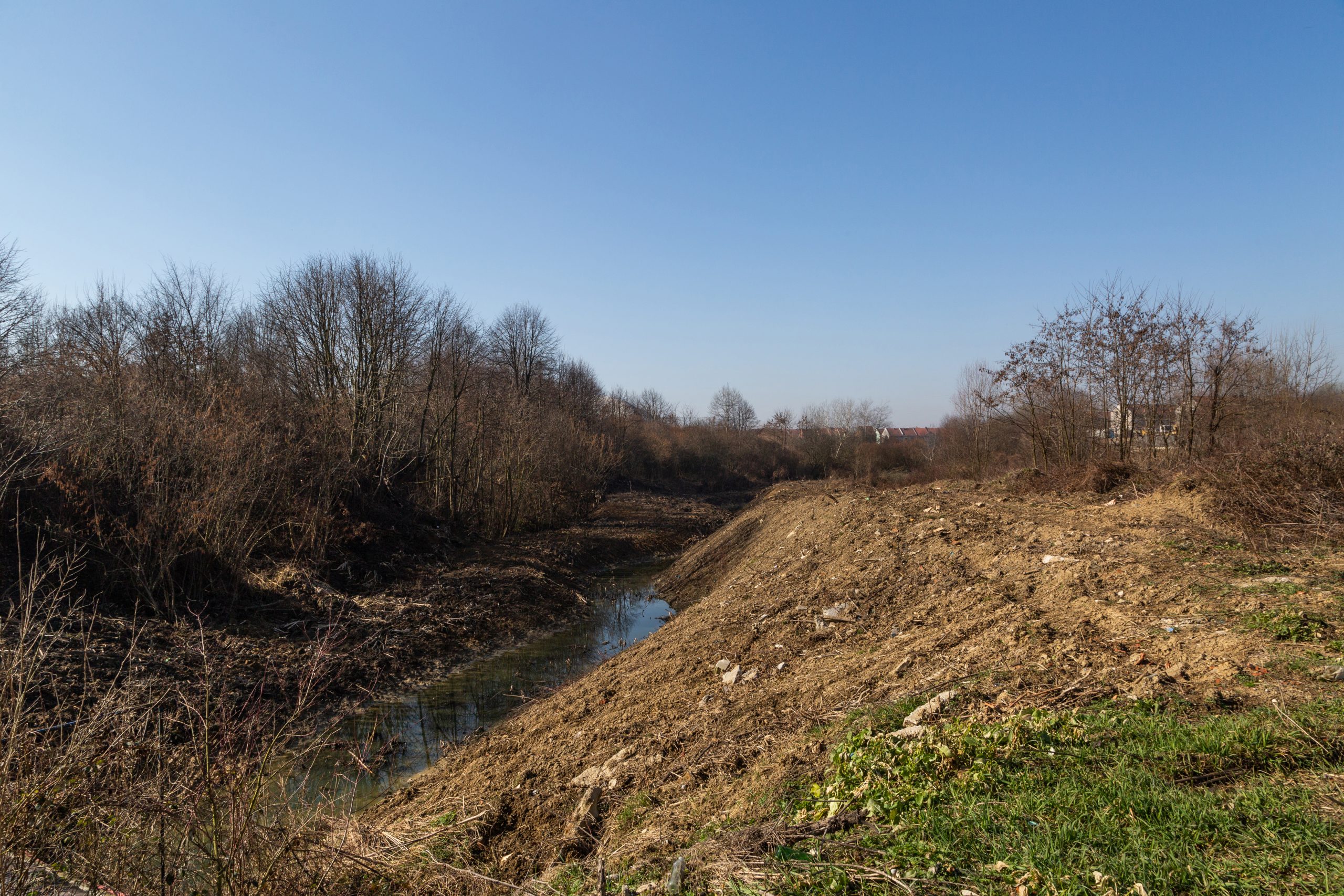
This primary mass grave is located on farmland owned by the Bimeks meat factory in the northern city of Brcko. It was exhumed in October 1996, when the remains of 78 war victims were found. The mass grave is located on the outskirts of the city, next to a main road, just across from the Serbian Orthodox cemetery. The location is unmarked. 

From April 1992, Bosnian Serb forces fought to gain control over Brcko, which lies near the border with Croatia. With the assistance of local Serb authorities, Bosnian Serb troops expelled Croat and Bosniak residents from their homes and held them at detention centres where many were killed, tortured, beaten or otherwise mistreated.

Captives were illegally detained and abused at the Brcko police building, the local hospital, the Luka prison camp, the former Partizan sports building, and the Yugoslav People’s Army barracks. The crimes were committed by members of military, police and paramilitary forces. Some of the executions were filmed by foreign journalists and caused worldwide condemnation. After that, the cover-up operation to hide victims’ bodies started.


Court witnesses testified that the bodies of those who were killed were transported from the detention centres to mass graves using trucks from the local Bimeks meat factory. Near the factory, according to several witnesses, there was a primary mass grave used to dump the bodies during the early years of the war. Later, as the bodies started to pile up, they were dug up and reburied in the Gorice secondary mass grave. Witnesses also said that a number of bodies were thrown into the River Sava. Cvjetko Ignic, who was police forensic expert and testified at the wartime Bosnian Serb police chiefs’ Stojan Zupljanin and Mico Stanisic’s trial, said that from May to July 1992, he identified more than 200 corpses, which were then buried in a mass grave near the Bimeks Farm on the outskirts of Brcko. Ignic said that the identities of 103 out of a total of 216 victims were established, including nine women. According to Ignic, “a huge percentage” were civilians and only a few corpses were in camouflage uniforms.

Two Bosnian Serb fighters, Goran Jelisic and Ranko Cesic, pleaded guilty to crimes in Brcko at the International Criminal Tribunal for the Former Yugoslavia, ICTY. 

Jelisic, who described himself as the ‘Serbian Adolf’, was a senior guard at the Luka detention camp. He was sentenced to 40 years in prison, and the Hague court’s verdict described his behaviour as “repugnant, bestial and sadistic”. Cesic, who was a police officer, was sentenced to 18 years for murder and rape. 

Djordje Ristanic, head of the Serb wartime leadership in Brcko, was cleared of participation in a joint criminal enterprise to persecute Bosniaks and Croats by the Bosnian state court in 2022. 

The appeals court of the Brcko District sentenced Pero Rikanovic to five-and-a-half years in prison for war crimes against prisoners of war and civilians. Rikanovic participated in killings of civilians at the Luka prison camp who were subsequently buried at the Bimeks gravesite.

Zaklopaca

Zaklopaca is a small village in the Milici municipality in north-eastern Bosnia, close to the city of Vlasenica. The Bosnian Missing Persons Institute discovered two gravesites in the village in close proximity to each other. The first exhumation was conducted in 1998, when the remains of eight people were found. It was also concluded that the site had been tampered with and bodies had been transferred to another location.

A second exhumation in 2004 resulted in the discovery of a second grave 500 metres away from the first one. It contained 54 war victims’ remains, including 11 children aged from four to 12 years. The youngest victim was four-year old Naida Hodzic and the oldest was 62-year old Fatima Berbic.

The gravesites remain unmarked, located between a lime pit called Zlatanova Krecana and the Studeni Jadar river. 

On May 16, 1992, Bosnian Serb Army troops and police officers killed 56 Bosniak civilians, including women, children and elderly people. Twelve people who survived the massacre and fled to the city of Vlasenica were tracked down and killed in the days that followed. After the massacre, an earth mover from the Boksit mining company was used to dig the pits in the village of Zaklopaca where the bodies were dumped. 

Amor Masovic, chairperson of the Bosnian Federal Commission for Missing Persons, said that among the victims in the grave were 29 people from the Hodzic family.

In March 2022, the Bosnian state court handed down a first-instance verdict acquitting two former policemen and three Bosnian Serb Army ex-soldiers of involvement in the murders of Bosniak civilians in Zaklopaca. The court concluded that it had not been proven beyond reasonable doubt that Radomir Pantic, Nenad Vukotic, Branko Jolovic, Milomir Milosevic and Nikola Losic committed the murders in 1992.

According to the Bosnian Missing Persons Institute, 955 Bosniaks went missing in the Vlasenica and Milici municipalities between 1992 and 1995.

The largest mass grave found in the Vlasenica area was the Ogradice mass grave, from which the remains of 232 victims were exhumed in 2003. The Zaklopaca mass grave was the largest found in the Milici municipality. Thirty-seven victims were also exhumed from the Susica mass grave.

Kurtalici

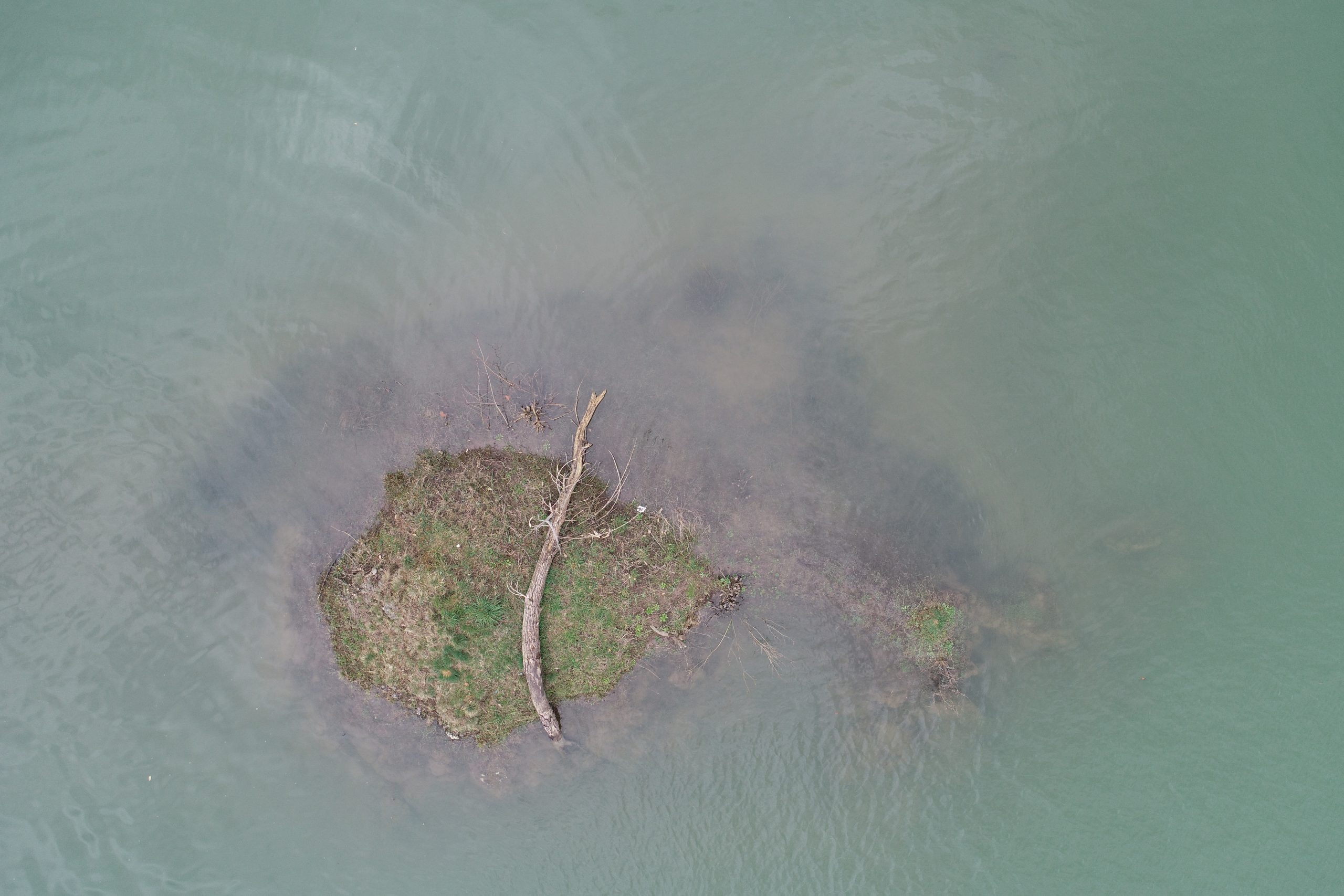
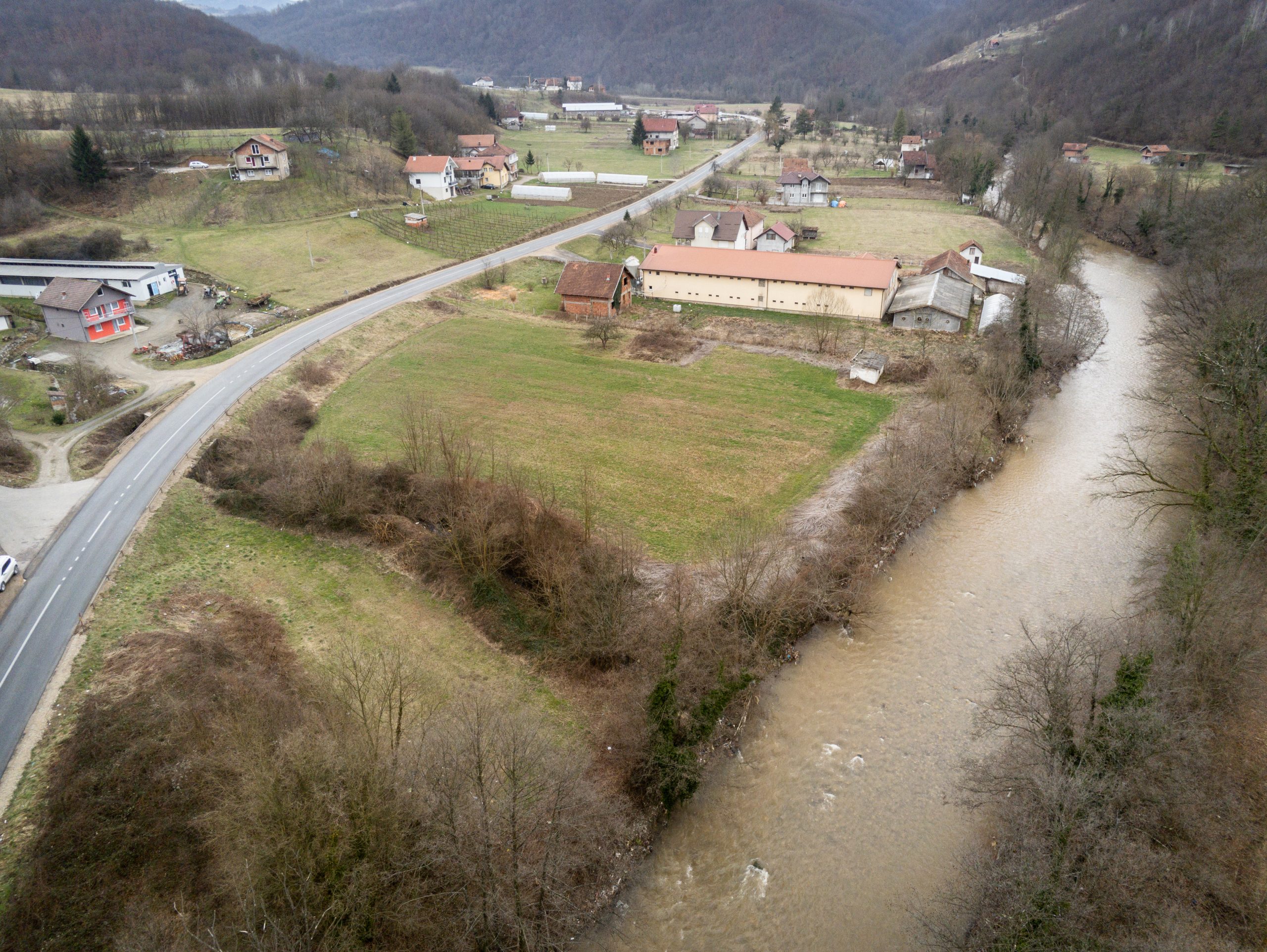
The village of Kurtalici is located on the banks of the River Drina, eight kilometres from the city of Visegrad in eastern Bosnia and Herzegovina. A primary mass grave was found in Kurtalici in 2000 after the water level in the River Drina, close to the Bosnian-Serbian border, had fallen by several metres and receded by 20 metres along both banks. The remains of 62 Bosniak civilians were discovered. 

According to forensic experts, the identification process was difficult because the bodies were piled up on each other, remains were intertwined and it was impossible to recognise which part of the skeleton belonged to which victim. Around the gravesite, a large number of empty ammunition shells were found, indicating that the victims were killed at the site.

The site, which lies on the right bank of the River Drina and Lake Perucac, remains unmarked. 

Since the end of the war, a commemoration for war victims from Visegrad has been held on the last Saturday in May at the Mehmed Pasa Sokolovic Bridge in the city. Roses are thrown into the Drina River in remembrance of the victims. 

Visegrad was attacked and occupied in April 1992 by the Yugoslav People’s Army (JNA), which installed a Serb-controlled administration. After the JNA left, the Bosnian Serb Army and the Serb-controlled police initiated a systematic and widespread campaign against Bosniaks, involving arrests, detentions in camps, torture, rape and killings, as well as the destruction of homes and religious buildings.

According to documents from the International Criminal Tribunal for the Former Yugoslavia (ICTY), around 1,600 people were killed in and around Visegrad, among them 600 women and 119 children, in what the court said was one of the most extensive and ruthless ethnic cleansing campaigns during the war in Bosnia and Herzegovina.

Hodzici Road 4

The Hodzici Road 4 mass grave is one of seven mass graves found alongside the road between the village of Hodzic and the city of Zvornik in eastern Bosnia and Herzegovina. 

It was discovered in 1998 by the International Criminal Tribunal for the Former Yugoslavia, ICTY, whose investigators determined that it is a secondary mass grave containing victims of 1995 genocide in Srebrenica.

So far, 71 individuals whose remains were found at the site have been identified. 

The grave is unmarked, and lies in a meadow between houses and farms in the village of Hodzic. 

At least 45 people whose remains were found in the grave died of gunshot wounds, and 34 had blindfolds. 

The ICTY’s analysis showed that Hodzici Road 4 is a secondary mass grave and the bodies found there can be linked with the primary mass grave Lazete 2.

Bosniak men who had been captured following the fall of Srebrenica were transported on July 14, 1995 to the Grbavci school in the village of Orahovac then killed and buried in fields known as Lazete. Forensic analysis of soil and pollen samples, evidence and aerial images of creation and disturbance dates further revealed that bodies from the Lazete 1 and Lazete 2 graves were later removed and reburied at secondary graves along the Hodzici Road.


So far, the ICTY and domestic courts in the Balkans have sentenced a total of 47 people to more than 700 years in prison, plus five life sentences, for Srebrenica crimes.


Hodzici Road 3

The Hodzici Road 3 mass grave is one of the seven that were found alongside a road near the village of Hozdici in eastern Bosnia and Herzegovina. It was discovered by NATO’s Stabilisation Force, SFOR in May 1998 as its personnel were doing repairs by the road. 

The exhumation of the gravesite was carried out by the International Criminal Tribunal for the Former Yugoslavia, ICTY, and as a result 40 people were identified, all of them killed during the fall of the town of Srebrenica in July 1995. 

The Hodzici Road 3 mass grave is unmarked and lies on the right side of a minor road connecting the village of Hodzici with the city of Zvornik. 

The ICTY forensic team found 16 blindfolds in the gravesite. At least 20 people who were buried there died from gunshot wounds. Only male bodies were found at the site. 

The ICTY’s analysis also showed that Hodzici Road 3 is a secondary mass grave and the bodies found there can be linked with the primary mass grave Lazete 2. 

Bosniak men who had been captured following the fall of Srebrenica were transported on July 14, 1995 to the Grbavci school in the village of Orahovac then killed and buried in fields known as Lazete. Forensic analysis of soil and pollen samples, evidence and aerial images of creation and disturbance dates further revealed that bodies from the Lazete 1 and Lazete 2 graves were later removed and reburied at secondary graves along the Hodzici Road.

So far, the ICTY and domestic courts in the Balkans have sentenced a total of 47 people to more than 700 years in prison, plus five life sentences, for Srebrenica crimes.

Hodzici Road 1

Hodzici Road 1 is a secondary mass grave, located near the village of Snagovo, some 17 kilometres north-west of the Bosnian city of Zvornik. The grave was originally found by troops from NATO’s Stabilisation Force in Bosnia and Herzegovina, SFOR, in 1998, while diverting a road around a landslide. Overall, there are seven known mass graves in the area and all are secondary sites. 

The grave site was named Hodzici Road 1 because it is also close to the village of Hodzici. 

The gravesite remains unmarked and lies next to the road that leads to Hodzici.

Although initially discovered by the SFOR and investigators from the International Criminal Tribunal for the Former Yugoslavia, the exhumation was conducted in 2006 by the Bosnian Institute for Missing Persons. The site is also known as Snagovo 4. 

The exhumation in November 2006 resulted in the remains of 90 people being identified. All the victims are believed to have been Bosniaks killed by Bosnian Serb forces following the fall of Srebrenica in July 1995.

DNA analysis carried out by the International Commission on Missing Persons showed connections between this secondary gravesite and the Lazete 2 primary gravesite. According to the ICTY’s forensic report on Srebrenica exhumations, this means that the remains of one individual were found in at least two different graves. The report said that human remains were dug up at the Lazete 2 primary mass grave and then transferred to Hodzici Road, some 10 kilometres away. 

Bosniak men who had been captured were transported on July 14, 1995 to the Grbavci school in the village of Orahovac then killed and buried in fields known as Lazete. Forensic analysis of soil and pollen samples, evidence and aerial images of creation and disturbance dates further revealed that bodies from the Lazete 1 and Lazete 2 graves were later removed and reburied at secondary graves along the Hodzici Road.

So far, the ICTY and domestic courts in the Balkans have sentenced a total of 47 people to more than 700 years in prison, plus five life sentences, for Srebrenica crimes.

Cancari Road 13

The Cancari Road 13 mass grave is located in the village of Kamenica in eastern Bosnia and Herzegovina, near the city of Zvornik. 

The road has become known as the Valley of Death, as along this route, 13 mass graves have been found by the International Criminal Tribunal for the Former Yugoslavia, ICTY and the Bosnian Institute for Missing Persons. 

This gravesite lies next to village houses and is marked with a memorial plaque.

The exhumation by the Bosnian Institute for Missing Persons in October 2002 revealed the remains of 61 people, who were all killed after the town of Srebrenica fell to the Bosnian Serb Army in July 1995. 

The bodies were reburied at the Cancari Road 13 mass grave in the autumn of 1995 after being dug up in an attempt to cover up the killings. They had initially been buried near execution sites in Srebrenica, Pilica, Kozluk, Bratunac and Zvornik in the days after July 15, 1995. Two months later, Bosnian Serb forces were ordered to remove the bodies and rebury them in more remote and hard-to-find locations.

So far, the ICTY and domestic courts in the Balkans have sentenced a total of 47 people to more than 700 years in prison, plus five life sentences, for Srebrenica crimes and cover-up operations.

Cancari Road 8

The Cancari Road 8 mass grave lies in a valley in the village of Kamenica, some ten kilometres north of the town of Zvornik in eastern Bosnia and Herzegovina. It is one of 13 secondary mass graves found along the village road, all linked with the killings of Bosniaks following the fall of Srebrenica  in 1995.

The gravesite lies unmarked, next to the village road and a small creek.

Cancari Road 8 was initially discovered in 1998 by investigators and anthropologists from the International Criminal Tribunal for the Former Yugoslavia, but was only exhumed ten years later by the Bosnian Institute for Missing Persons. 

The exhumation was carried out in October and November 2008 and the remains of 51 people were identified. 

DNA analysis of the remains revealed that some body parts belonged to Esad Bektic, whose partial remains were also found in a mass grave in Branjevo. It is believed that many Srebrenica victims were initially killed in Branjevo in July 1995, buried there and then dug up again in the autumn and reburied along the Cancari Road. 

After the fall of Srebrenica to Bosnian Serb forces, captured Bosniaks were brought by buses to Branjevo Military Farm for execution. Survivors described being led in groups to a meadow littered with corpses and told to turn their backs. On July 16, 1995, soldiers at Branjevo Military Farm were ordered to go some five kilometres east to the Pilica Cultural Centre to kill around 500 Bosniaks who were being detained there. Firing and explosions could also be heard that afternoon in Pilica itself, coming from the direction of the Cultural Centre. No one survived the execution. The inside of the Pilica Cultural Centre was described as having corpses “piled up on each other, just lying there scattered all over the place”. The bodies – two of which were female – were then buried at Branjevo Military Farm. All the victims were dressed in civilian clothes.

So far, the ICTY and domestic courts in the Balkans have sentenced a total of 47 people to more than 700 years in prison, plus five life sentences, for Srebrenica crimes.

Nova Kasaba 99

This mass grave in Nova Kasaba is known as Nova Kasaba 99, a reference to the year 1999, when the gravesite was discovered by investigators from the International Criminal Tribunal for the Former Yugoslavia, ICTY. 

The grave was dug by the same people who also dug another grave nearby that was found in 1996 and is known as Nova Kasaba 96. 

Nova Kasaba 99 is a primary mass grave. A total of 53 bodies that were found there have been identified, all of them linked with the killings of Bosniaks from Srebrenica in July 1995. 

The grave is not marked and lies next to the road in the village of Nova Kasaba. 

The mass grave is in four sections but investigators assessed it to be a single grave because the pits are so close to each other.

No blindfolds or ligatures were located in any of the sections. Almost 80 per cent of those found died of multiple gunshot wounds. The age of the victims ranges from 13 to 85 years.

The mass grave locations in the area received worldwide attention when US ambassador Madeleine Albright showed eight photographs of them at a UN Security Council session. These US satellite and aerial photographs taken around July 13 to 14, 1995 depicted people crowded onto a football field in the Nova Kasaba area. Several days later, U2 aircraft photography recorded an empty stadium, with four patches of freshly dug earth and truck tracks in a nearby field. 

“The reasons [the U.S. suspects there are mass graves] are five-fold. First, there is newly disturbed earth where refugees were known to be. Heavy vehicle tracks were there before. There is no apparent military industrial or agricultural reason for the tracks or disturbed earth. There are multiple confirming accounts from refugees. And there is no vegetation on the site,” said John Shattuck, US assistant secretary of state for democracy, human rights and labour. A year later, in 1996, the so-called Nova Kasaba 96 grave was found.

The bodies found in Nova Kasaba were mostly of Bosniak men from Srebrenica who were killed on the football pitch and in a nearby school in July 1995. 

So far, the ICTY and domestic courts in the Balkans have sentenced a total of 47 people to more than 700 years in prison, plus four life sentences, for Srebrenica crimes.