Slap 1

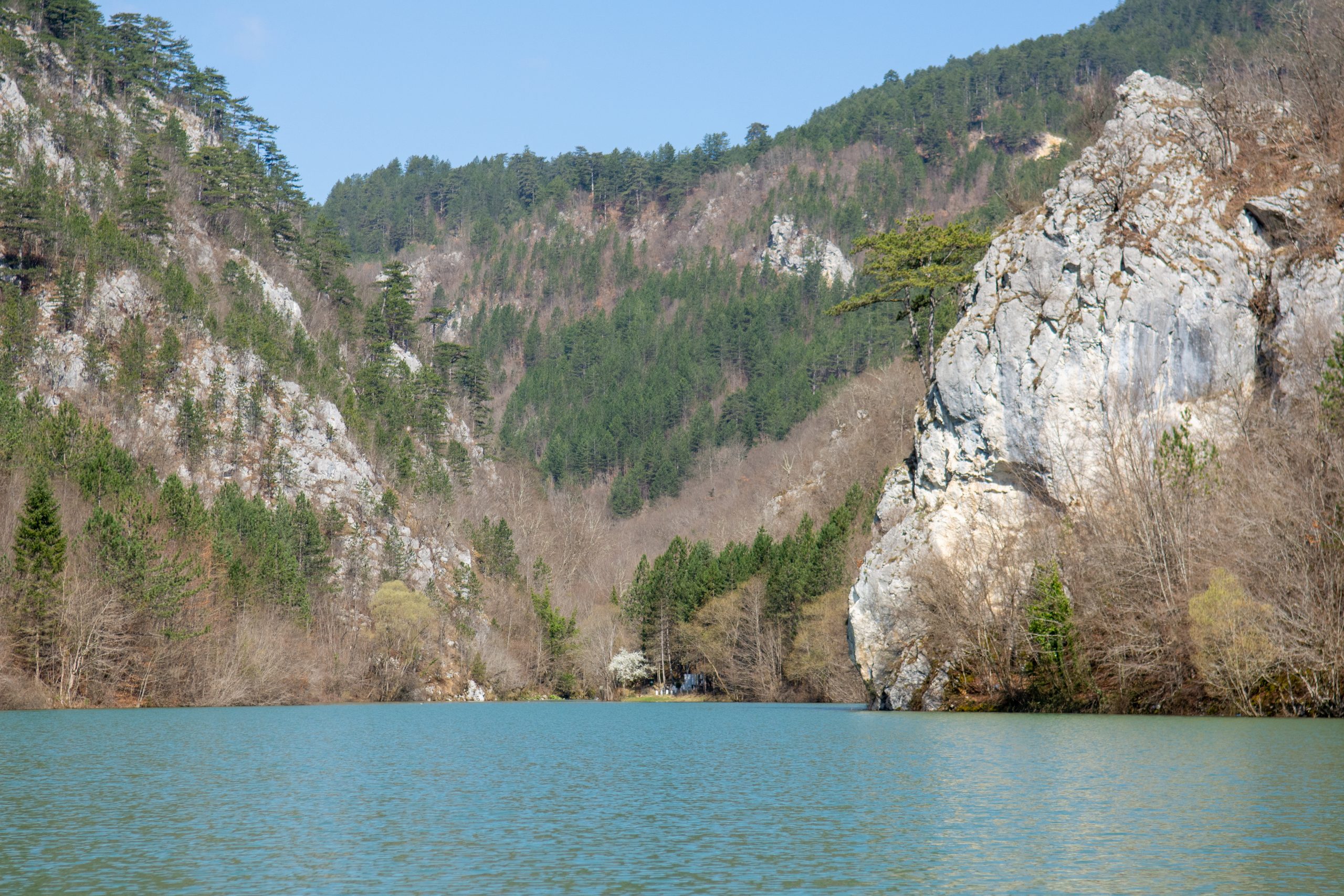
A mass grave was discovered in 2000 on the banks of the River Drina in the village of Slap, four kilometres from the town of Zepa and 50 kilometres from the city of Visegrad.

A total of 124 bodies and one body part were discovered at the site, which was exhumed in October 2000 by the Bosnian Missing Persons Commission and named Slap 1. A second grave, named Slap 2, was found a few kilometres downstream, where a further seven bodies were buried. To this day a total of 119 people were identified. 

Information about the location of the gravesite was given by one of the local Bosniak men who buried the bodies, which were retrieved from the River Drina after they floated downstream from the direction of Visegrad.

From mid-May 1992 to 1995, local residents in Slap saw hundreds of bodies floating down the river from the direction of Visegrad. In order to retrieve the bodies, they usually used rowing boats to pull them to the riverbank. One of the local men, Mevsud Poljo, told the International Criminal Tribunal for the Former Yugoslavia, ICTY that he buried more than 150 bodies on the riverbank.

Before burying the bodies, locals would search for any identification documents and write down the description of the victims’ clothes and other details. When they first started to discover the bodies, they would contact the local police in the town of Rogatica and a forensic team would come and inspect the bodies. Later on, as the war progressed, with electricity and telephone lines not working, it was not possible to inform the police any more. Bodies that were deemed to have decomposed too much to retrieve were left in the river. 

Autopsies conducted by the International Commission on Missing Persons confirmed that in most of the cases, the cause of death was gunshots. Eighty-seven per cent of the bodies were Bosniak men, with a smaller proportion of women. The majority were aged between 30 and 60, but one victim was a child who was between seven and 12 years old at the time of death. In a number of cases, ligatures were found with the bodies. Many of the bodies had blunt force traumas – injuries caused by beating before death. 

Today the Slap 1 gravesite is marked with a memorial plaque which was installed by the local community.

Each year in June, victims’ families and missing persons associations commemorate the wartime killings of 3,000 people in the Visegrad area with a ceremony at which they throw roses into the River Drina. 

Nineteen people have so far been convicted of committing war crimes in the Visegrad area by the ICTY, the Bosnian state court and the Sarajevo Cantonal Court. Of these 19 war criminals, nine were convicted of rape and sexual abuse. A further 12 suspects are currently on trial at the Bosnian state court, and five more at Belgrade Higher Court in Serbia.

Those who have been convicted have so far were given a total of 246 years in prison, while Milan Lukic, who was the leader of the White Eagles or Avengers, a Bosnian Serb paramilitary group, was sentenced to life imprisonment by the ICTY for participating in the murders and expulsions of Bosniak civilians in Visegrad in 1992 and 1993. The Bosnian prosecution has subsequently charged Lukic with crimes against passengers kidnapped from a train at Strpci railway station in February 1993 and then killed.

According to the Bosnian Missing Persons Institute, 920 people went missing from the Visegrad area during the war, and the remains of 445 of them have been found and identified so far.
Kevljani

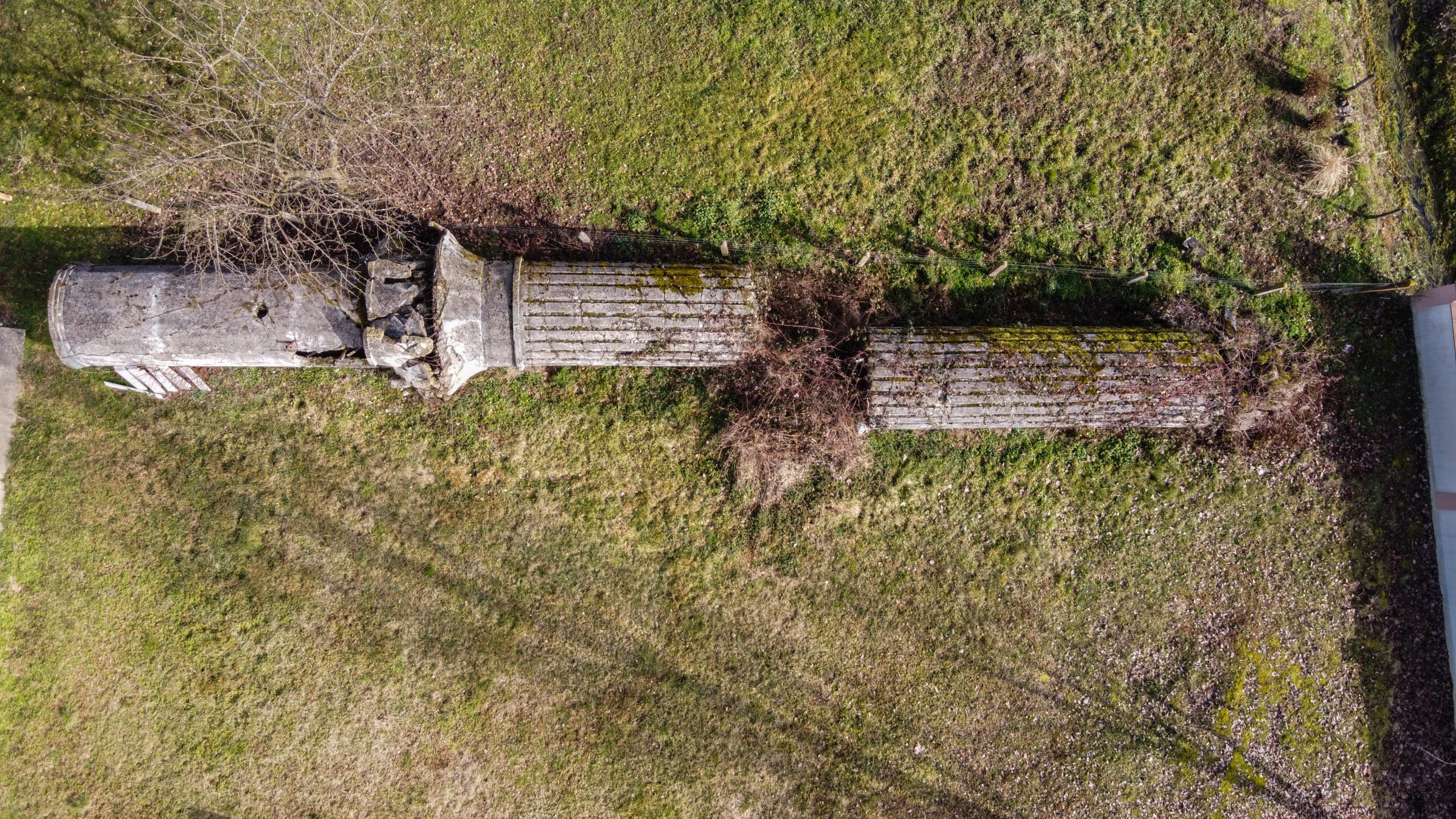
There are a series of graves of war victims in the village of Kevljani, 15 kilometres from the city of Prijedor in north-west Bosnia and Herzegovina. Investigators from the International Criminal Tribunal for the Former Yugoslavia, ICTY found and exhumed the grave sites from May 25 to and June 15, 1999. One of the graves was discovered in a meadow next to a largely-destroyed mosque and a Muslim cemetery.

Kevljani is five kilometres from the Omarska iron ore mine, which was the site of a Bosnian Serb-run detention camp. Many people who were held between May and August 1992 at Omarska and at a nearby Bosnian Serb-run detention camp, Keraterm, were reported missing.

Investigators established that one of the sites at which former Omarska camp detainees who disappeared were buried was Kevljani. Evidence found at the site, such as traces left by excavators, indicated that the graves had been dug up again in order to rebury the bodies elsewhere.

Some of the bodies had been dismembered when they were dug up, leaving isolated bone parts. The exhumation team discovered 72 complete or nearly complete bodies in 15 different graves. Expert analysis of soil and building materials confirmed a connection with the Omarska camp.

Today the gravesite is marked with a memorial plaque in front of the mosque, next to the destroyed minaret. The text on the plaque says: “At this site, a mass grave with 146 bodies of innocent victims was found. Two hundred metres away is Stari Kevljani, the largest mass grave found in Bosanska Krajina, with 456 victims from the Prijedor municipality.”

A witness at the trial of Bosnian Serb military leader Ratko Mladic trial testified that torture and killings happened daily in the Omarska camp. Up to 6,000 people were held at camp while it was open for a period of three months in 1992. Mass executions also started at the end of July 1992. Detainees were forced to clean the areas where people were killed and load their bodies onto trucks to be taken away.

The camp was closed on August 21, 1992 after visiting British journalists exposed the inhumane conditions and war crimes in the camp. The detainees were then transferred to other camps in the area. According to the Regional Union of Associations of Detainees from the Banja Luka Region, around 700 people held at the Omarska camp died, although not all of them were killed inside the camp itself.

The ICTY has convicted 11 people of committing crimes at detention camps in the Prijedor area, and the Bosnian state court has convicted four more. Zeljko Mejakic, the highest-ranking official at the Omarska detention camp, was sentenced to 21 years in prison for crimes against humanity.

Prijedor is the area with the largest number of convicted war criminals in Bosnia and Herzegovina. A total of 37 Bosnian Serbs have been found guilty of committing crimes in the area and have been sentenced to a total of 617 years in prison. The ICTY gave Milomir Stakic, wartime president of the Serb-controlled Prijedor municipality Crisis Staff, the highest sentence for crimes in Prijedor – 40 years in prison.


Gorice

The mass grave in the Gorice neighbourhood of the Bosnian city of Brcko was found in 2006 and it is the largest clandestine gravesite in the area. The Gorice mass grave contained 277 human remains, according to the International Commission on Missing Persons. So far, 136 individuals have been identified from the remains that were exhumed. 

The Gorice gravesite is located some ten kilometres north of the city, right on the banks of the River Sava. It is an abandoned field, marked with one plaque put up by locals, which says that remains of the Bosniaks and Croats killed in the area from 1992 to 1995 were found at the location. 

It is a secondary grave, and was dug by Bosnian Serb forces in order to conceal the bodies of those killed around the Brcko area at the beginning of the war in Bosnia and Herzegovina and initially buried elsewhere. According to forensic reports, the mass grave was four metres deep.

From April 1992, Bosnian Serb forces fought to gain control over Brcko, which lies near the border with Croatia. With the assistance of local Serb authorities, Bosnian Serb troops expelled Croat and Bosniak residents from their homes and held them at detention centres where many were killed, tortured, beaten or otherwise mistreated.

Captives were illegally detained and abused at the Brcko police building, the local hospital, the Luka prison camp, the former Partizan sports building, and the Yugoslav People’s Army barracks. The crimes were committed by members of military, police and paramilitary forces.

Some of the executions were filmed by foreign journalists and caused worldwide condemnation. After that, the cover-up operation to hide victims’ bodies started.

Many court witnesses said that the bodies of those killed were transported from the detention centres to mass graves using trucks from the local Bimes meat factory. Near the factory, according to several witnesses, there was a primary mass grave used to dump the bodies during the early years of the war. Later, as the bodies started to pile up, they were dug up and re-buried in Gorice. Many witnesses also said a number of bodies were thrown into the River Sava.

Two Bosnian Serb fighters, Goran Jelisic and Ranko Cesic, pleaded guilty to crimes in Brcko at the International Criminal Tribunal for the Former Yugoslavia. 

Jelisic, who described himself as the ‘Serbian Adolf’, was a senior guard at the Luka detention camp. He was sentenced to 40 years in prison, and the Hague court’s verdict described his behaviour as “repugnant, bestial and sadistic”. Cesic, who was a police officer, was sentenced to 18 years for murder and rape. 

At the Bosnian state court, there is also an ongoing case against Djordje Ristanic, who was president of the Brcko wartime presidency and is charged with taking part in a joint criminal enterprise to persecute Bosniak and Croat civilians in the area from April to December 1992.

Ristanic is also charged with the rape and sexual abuse of both men and women at detention centres in Brcko and with the destruction of mosques in the area.

Laniste 1

Laniste 1 is a primary mass grave located in a mountainous area 14 kilometres from the town of Kljuc in north-western Bosnia and Herzegovina. The exhumation process started at the site in October 1996, and the remains of 188 people were found, from which 170 were identified. 

An underground cave called Bezdana at the Laniste site was used for the disposal of war victims’ bodies after they were killed in July 1992. The cave is located by a road in a wooded area and is over 20 meters below ground. A mountain lodge near the cave had been used by Serb paramilitary units as a base since the start of 1992.

Troops from the 17th Light Infantry Brigade of the Bosnian Serb Army, assisted by police officers and police reservists, attacked the village of Biljani in the Kljuc municipality on July 10, 1992 and killed more than 200 Bosniak men, women, children and elderly people. Men were also taken to a primary school in the village, where they were imprisoned and then taken out and killed. One group of men was first tortured and then taken to the Laniste site, where the killings continued.

The bodies of the murdered Bosniaks from Biljani were found in four mass graves including Laniste 1, as well as in several smaller graves containing a few people and in individual graves. Most of the graves were located ten kilometres or more away from Biljani. 

The oldest victim found at the Laniste 1 site was Beco Cehic, 85, and the youngest was a four-month-old baby, Amila Dzaferagic, who died holding a milk bottle, in the arms of her murdered mother. The bodies of 20 minors were exhumed, seven of them under the age of ten.

Evidence of the killings found at the Laniste 1 site included traces from bullets on the surrounding trees next to the underground cave into which the victims’ bodies were subsequently thrown. 

The location of the mass grave is marked with a memorial plaque and the underground cave has been fenced off and covered, but it is still possible to look inside and see how deep it is. 

The Bosnian state court sentenced Marko Samardzija, commander of the Third Company of the Sanica Battalion with the 17th Light Infantry Brigade of the Bosnian Serb Army, to seven years in prison for crimes committed in the Kljuc area, including the attack on Biljani. Former Bosnian Serb soldier Bosko Devic was sentenced to ten years in prison by the Bosnian state court for crimes in Kljuc, while the case against another Bosnian Serb ex-soldier, Mladjen Kovacevic, is at a standstill due to his poor health.

The Bosnian state court also sentenced former Bosnian Serb soldiers Marko Adamovic to 20 years in prison and Bosko Lukic to 12 years for participating in a joint criminal enterprise aimed at persecuting the non-Serb population in the Kljuc area during the summer of 1992, including the attack on Biljani.

Proceedings against several other suspects have been suspended due to their deaths, or are at a standstill because the suspects are unavailable to the Bosnian judicial authorities.


Ogradice

The Ogradice mass grave was discovered in 2003, some 20 kilometres from the town of Vlasenica in eastern Bosnia and Herzegovina. Lying up in the hills, at the end of an often inaccessible road and in a deep forest, the mass grave remains unmarked. 

Forensic teams identified 155 bodies that were found at the gravesite, most of them Bosniak victims of crimes committed in the Vlasenica area in 1992 and 1993. 

According to the University of Sarajevo Institute for Researching Crimes against Humanity and International Law, a total of 12 mass graves have been found in the Vlasnica municipality containing victims of violence in 1992 and 1993. A total of 436 bodies were discovered at these locations, 232 of them at the Ogradice grave. 

Killings, torture and rape in Vlasenica were the subject of one of the first cases at the International Criminal Tribunal for the Former Yugoslavia in The Hague, where Dragan Nikolic, who commanded the infamous detention camp Susica in the town, was the first indictee in 1994. 

Nikolic pleaded guilty and was sentenced to 20 years in prison for crimes against humanity that included persecution on political, racial and religious grounds, murder, sexual violence and torture at Susica. Many of the Susica victims were found in the Ogradice mass grave. 

Nikolic, alias Jenki, subjected Bosniaks and other non-Serb detainees to murder, rape and torture and participated in creating and maintaining an atmosphere of terror in the camp, the verdict found.

Nikolic punched, kicked and beat the detainees with weapons such as wooden bats, iron bars, axe handles, rifle butts, metal knuckles, metal pipes, truncheons and rubber tubing with lead inside. The injuries inflicted during the beatings were sometimes fatal. 

He also personally removed and facilitated the removal of female detainees from the hangar where they were interned, in the knowledge that they were being taken away to be raped or sexually abused. He told the UN court that he felt “shame and disgrace” about what he did.

Between late May and October 1992, as many as 8,000 Bosniak civilians and other non-Serbs from Vlasenica and the surrounding villages had been detained at the Susica camp. The building was severely overcrowded and living conditions were deplorable. 

Survivors and families of the Susica victims organise an annual commemorative march from the village of Turajlici to the mass graves at Ogradice and Debelo Brdo, ending in front of the former camp. 

Cancari Road 7

Cancari Road 7 (also known as Kamenica 7) is a secondary mass grave, located in the village of Kamenica, 50 kilometres from the town of Srebrenica and some 13 kilometres from the city of Zvornik. There are 13 secondary mass graves in the Kamenica area containing the remains of victims of the July 1995 Srebrenica massacres.

The Cancari Road 7 gravesite was exhumed in October 2002 by the Bosnian Federal Commission on Missing Persons, monitored bу the International Criminal Tribunal for the Former Yugoslavia, ICTY. The remains of 200 individuals were found; 97 were identified. 

DNA analysis showed connections between this secondary gravesite and the disturbed primary gravesite at Kozluk. According to the ICTY’s forensic report on Srebrenica-related exhumations, this means that parts of the remains of some individuals were found at both the Kozluk and Cancari Road 7 sites. The ICTY’s investigation also showed DNA connections between this site and four more gravesites in the Kamenica area (Cancari Road 1, 2, 3 and 13). This indicates that remains that were dug up from the primary mass grave in Kozluk were transported to these secondary Cancari Road sites in Kamenica, 30 kilometres away. 

The gravesites in Kamenica were discovered either in the yards of houses which belonged to Bosniaks, or in meadows next to the road. Cancari Road 7 is located in one of these yards, next to a crossroads and the local mosque. The site is marked with a memorial plaque dedicated to the victims of Srebrenica. Locals in Kamenica have marked several of the gravesites in the area with memorial plaques honouring Srebrenica victims, although some still remain unmarked. 

According to the ICTY’s report on forensic evidence and DNA connections, the Kozluk primary mass grave, where some of the Srebrenica massacre victims were buried, contained a total of 825 individuals. 

The ICTY judgment in the trial of Dragan Jokic, Chief of Engineering for the Zvornik Brigade, and Vidoje Blagojevic, commander of the Bratunac Brigade of the Bosnian Serb Army, said that on or about July 15 or 16, 1995, Bosnian Serb Army military personnel, under the command and control of commanders Ratko Mladic, Radislav Krstic and others, transported approximately 500 Bosniak males to an isolated place near Kozluk, which was inside the Zvornik Brigade’s zone of responsibility. They were then executed by Bosnian Serb military personnel. On or about July 16, 1995, military personnel from the Zvornik Brigade’s Engineering Company, again controlled by Mladic, Krstic and others, buried the victims in a mass grave at the site. Jokic assisted in the planning, monitoring, organising and carrying out of the burials.

Blagojevic was sentenced to 15 years in prison for aiding and abetting the murder and persecution of Bosniaks, including those executed at Kozluk. Jokic was sentenced to nine years in prison for the murders of Bosniaks at locations including Kozluk, and for providing engineering resources and personnel to dig graves for the victims.

The ICTY’s trial chamber also found that Vujadin Popovic, chief of security with the Bosnian Serb Army’s Drina Corps, knew about the operation to kill the Bosniaks, and organised it with Ljubisa Beara, chief of security with the Bosnian Serb Army’s main headquarters, and Drago Nikolic, a security officer with the Bosnian Serb Army’s Zvornik Brigade. Popovic was present when the executions were carried out at Kozluk, as well as at another killing site in Orahovac. Popovic, Beara and Nikolic were all convicted by the ICTY of involvement in the genocide of Bosniaks from Srebrenica.

Srecko Acimovic, commander of the Bosnian Serb Army Zvornik Brigade’s Second Battalion, acting on orders received from the Zvornik Brigade’s command, provided ammunition and issued an order to transport the prisoners to the banks of the Drina River in Kozluk, where they were killed and buried. Acimovic was sentenced by the Bosnian state court to nine years in prison for assisting the genocide.

So far, the ICTY and domestic courts in the Balkans have sentenced a total of 47 people to more than 700 years in prison, plus five life sentences, for Srebrenica crimes.

Cancari Road 12

Cancari Road 12 is a secondary mass grave, located in the village of Kamenica, 50 kilometres from the town of Srebrenica and some 13 kilometres from the city of Zvornik. There are 13 secondary mass graves in the Kamenica area containing the remains of victims of the July 1995 Srebrenica massacres by Bosnian Serb forces.

The Cancari Road 12 mass grave was exhumed in May 1998 by the International Criminal Tribunal for the Former Yugoslavia, ICTY. The remains of 174 people were found; 149 were identified.

DNA analysis conducted by the International Commission on Missing Persons showed connections between the secondary gravesite at Cancari Road 11 and the disturbed primary gravesite at Branjevo. According to the International Criminal Tribunal for the Former Yugoslavia, ICTY’s forensic report on Srebrenica exhumations, this means that parts of the remains of some individuals were found at both the Branjevo and Cancari Road 12 sites.

The ICTY’s investigation also showed DNA connections between the Cancari Road 12 site and seven more gravesites in the same area (Cancari Road 4, 5, 6, 8, 9, 10 and 11). This indicates that as part of an attempted cover-up by Bosnian Serb forces, remains were dug up from the primary mass grave at Branjevo and moved to the village of Kamenica, 45 kilometres away. The other Cancari Road gravesites have been linked by DNA analysis to a primary grave at Kozluk, where Srebrenica massacre victims were also buried.

According to the ICTY’s report, the primary mass grave at Branjevo mass grave contained a total of 1,751 individuals.

The gravesites in Kamenica were discovered either in the yards of houses which belonged to Bosniaks, or in meadows next to the road. Cancari Road 12 is located in a meadow, next to a house and a corn field. The site remains unmarked. However, locals in Kamenica have marked several of the other gravesites in the area with memorial plaques honouring Srebrenica victims. 

Forensic reports and witness testimonies at the ICTY, including testimony from people who were part of the killing squads, confirmed that most of the victims found in the Branjevo grave were killed at the Pilica Cultural Centre by Bosnian Serb forces in mid-July 1995. 

On July 16, 1995, soldiers at Branjevo Military Farm were ordered to go some five kilometres east to the Pilica Cultural Centre to kill around 500 more Bosniaks who were being detained there. The inside of the Pilica Cultural Centre was described as having corpses “piled up on each other, just lying there scattered all over the place”; the bodies – two of which were female – were all wearing civilian clothes. The victims were then buried at Branjevo Military Farm and later reburied in secondary mass graves, including those at Cancari Road.

So far, the ICTY and domestic courts in the Balkans have sentenced a total of 47 people to more than 700 years in prison, plus five life sentences, for Srebrenica crimes.

Cancari Road 11

Cancari Road 11 is a secondary mass grave, located in the village of Kamenica, 50 kilometres from the town of Srebrenica and some 13 kilometres from the city of Zvornik. There are 13 secondary mass graves in the Kamenica area containing the remains of victims of the July 1995 Srebrenica massacres by Bosnian Serb forces.

The Cancari Road 11 grave was exhumed between August and September 2001 by the Bosnian Federal Commission on Missing Persons. The remains of 242 people were found; 122 were identified.

DNA analysis conducted by the International Commission on Missing Persons showed connections between the secondary gravesite at Cancari Road 11 and the disturbed primary gravesite at Branjevo. According to the International Criminal Tribunal for the Former Yugoslavia, ICTY’s forensic report on Srebrenica exhumations, this means that parts of the remains of some individuals were found at both the Branjevo and Cancari Road 11 sites.

The ICTY’s investigation also showed DNA connections between the Cancari Road 11 site and seven more gravesites in the same area (Cancari Road 4, 5, 6, 8, 9, 10 and 12). This indicates that as part of an attempted cover-up by Bosnian Serb forces, remains were dug up from the primary mass grave at Branjevo and moved to the village of Kamenica, 45 kilometres away. The other Cancari Road gravesites have been linked by DNA analysis to a primary grave at Kozluk, where Srebrenica massacre victims were also buried.

According to the ICTY’s report, the primary mass grave at Branjevo mass grave contained a total of 1,751 individuals.

The gravesites in Kamenica were discovered either in the yards of houses which belonged to Bosniaks, or in meadows next to the road. Cancari Road 11 is located in a meadow, surrounded by woods and houses. The site remains unmarked. However, locals in Kamenica have marked several of the other gravesites in the area with memorial plaques honouring Srebrenica victims. 

Forensic reports and witness testimonies at the ICTY, including testimony from people who were part of the killing squads, confirmed that most of the victims found in the Branjevo grave were killed at the Pilica Cultural Centre by Bosnian Serb forces in mid-July 1995. 

On July 16, 1995, soldiers at Branjevo Military Farm were ordered to go some five kilometres east to the Pilica Cultural Centre to kill around 500 more Bosniaks who were being detained there. The inside of the Pilica Cultural Centre was described as having corpses “piled up on each other, just lying there scattered all over the place”; the bodies – two of which were female – were all wearing civilian clothes. The victims were then buried at Branjevo Military Farm and later reberied in secondary mass graves, including those at Cancari Road.

So far, the ICTY and domestic courts in the Balkans have sentenced a total of 47 people to more than 700 years in prison, plus five life sentences, for Srebrenica crimes.

Cancari Road 10

Cancari Road 10 (also known as Kamenica 10) is a secondary mass grave, located in the village of Kamenica, 50 kilometres from the town of Srebrenica and some 13 kilometres from the city of Zvornik. There are 13 secondary mass graves in the Kamenica area containing the remains of victims of the July 1995 Srebrenica massacres by Bosnian Serb forces.

The Cancari Road 10 site was exhumed between June and August 2006 by the Bosnian Federal Commission on Missing Persons. 1153 remains were found; 380 persons were identified.

It also showed connections between this secondary gravesite and a disturbed primary gravesite at Branjevo, where victims of Srebrenica massacres were buried. According to the International Criminal Tribunal for the Former Yugoslavia, ICTY’s forensic report on Srebrenica exhumations, this means that parts of the remains of some individuals were found at both the Kozluk and Cancari Road 10 sites.

The ICTY’s investigation also showed DNA connections between the Cancari Road 10 site and seven more gravesites in the same area (Cancari Road 4, 5, 6,8, 9, 11 and 12). This indicates that as part of an attempted cover-up by Bosnian Serb forces, remains were dug up from the primary mass grave at Branjevo and moved to the village of Kamenica, 45 kilometres away. The other Cancari Road gravesites have been linked by DNA analysis to a primary grave at Kozluk, where Srebrenica massacre victims were also buried.

According to the ICTY’s report, the primary mass grave at Branjevo mass grave contained a total of 1,751 individuals. 

The gravesites in Kamenica were discovered either in the courtyards of houses which belonged to the Bosniaks, or in meadows next to the road. Cancari Road 10 is located on a meadow surrounded by houses and next to the road. The site remains unmarked. However, locals in Kamenica have marked several of the other gravesites in the area with memorial plaques honouring Srebrenica victims. 

Forensic reports and witness testimonies at the ICTY, including testimony from people who were part of the killing squads, confirmed that most of the victims found in the Branjevo grave were killed at the Pilica Cultural Centre by Bosnian Serb forces in mid-July 1995. 

On July 16, 1995, soldiers at Branjevo Military Farm were ordered to go some five kilometres east to the Pilica Cultural Centre to kill around 500 more Bosniaks who were being detained there. The inside of the Pilica Cultural Centre was described as having corpses “piled up on each other, just lying there scattered all over the place”; the bodies – two of which were female – were all wearing civilian clothes. The victims were then buried at Branjevo Military Farm and later reberied in secondary mass graves, including those at Cancari Road.

So far, the ICTY and domestic courts in the Balkans have sentenced a total of 47 people to more than 700 years in prison, plus five life sentences, for Srebrenica crimes.

Cancari Road 9

Cancari Road 9 (also known as Kamenica 9) is a secondary mass grave, located in the village of Kamenica, 50 kilometres from the town of Srebrenica and some 13 kilometres from the city of Zvornik. There are 13 secondary mass graves in the Kamenica area containing the remains of victims of the July 1995 Srebrenica massacres.

The Cancari Road 9 mass grave was exhumed between October and November 2007 by the Bosnian Federal Commission on Missing Persons.

The remains of 616 people were found; 186 were identified.

DNA examination conducted by the International Commission on Missing Persons showed connections between this secondary gravesite and the disturbed primary gravesite at Branjevo. According to the International Criminal Tribunal for the Former Yugoslavia, ICTY’s forensic report on Srebrenica exhumations, this means that parts of the remains of some individuals were found at both the Branjevo and Cancari Road 9 sites.

The investigation also showed DNA connections between the Cancari Road 9 site and seven more gravesites in the same area (Cancari Road 4, 5, 6, 8, 10, 11 and 12). This indicates that remains from the primary mass grave at Branjevo were dug up and transported to Kamenica, 45 kilometers away. The other Cancari Road gravesites have been linked by DNA connections to a primary grave at Kozluk. 

According to the ICTY, the Branjevo primary mass grave contained a total of 1,751 individuals. 

The gravesites in Kamenica were discovered either in the yards of houses that belonged to Bosniaks or in meadows next to the road. Cancari Road 9 is located next to the road, in a meadow. The site remains unmarked. However, locals in Kamenica have marked several of the gravesites in the area with memorial plaques honouring Srebrenica victims.

Forensic reports and witness testimonies at the International Criminal Tribunal for the Former Yugoslavia, ICTY, including testimony from people who were part of the killing squads, confirmed that most of the victims found in the Branjevo grave were killed at the Pilica Cultural Centre by Bosnian Serb forces in mid-July 1995. 

On July 16, 1995, soldiers at Branjevo Military Farm were ordered to go some five kilometres east to the Pilica Cultural Centre to kill around 500 more Bosniaks who were being detained there. The inside of the Pilica Cultural Centre was described as having corpses “piled up on each other, just lying there scattered all over the place”; the bodies – two of which were female – were all wearing civilian clothes. The victims were then buried at Branjevo Military Farm and later reburied in secondary mass graves, including those at Cancari Road.

So far, the ICTY and domestic courts in the Balkans have sentenced a total of 47 people to more than 700 years in prison, plus five life sentences, for Srebrenica crimes.