Lake Perucac

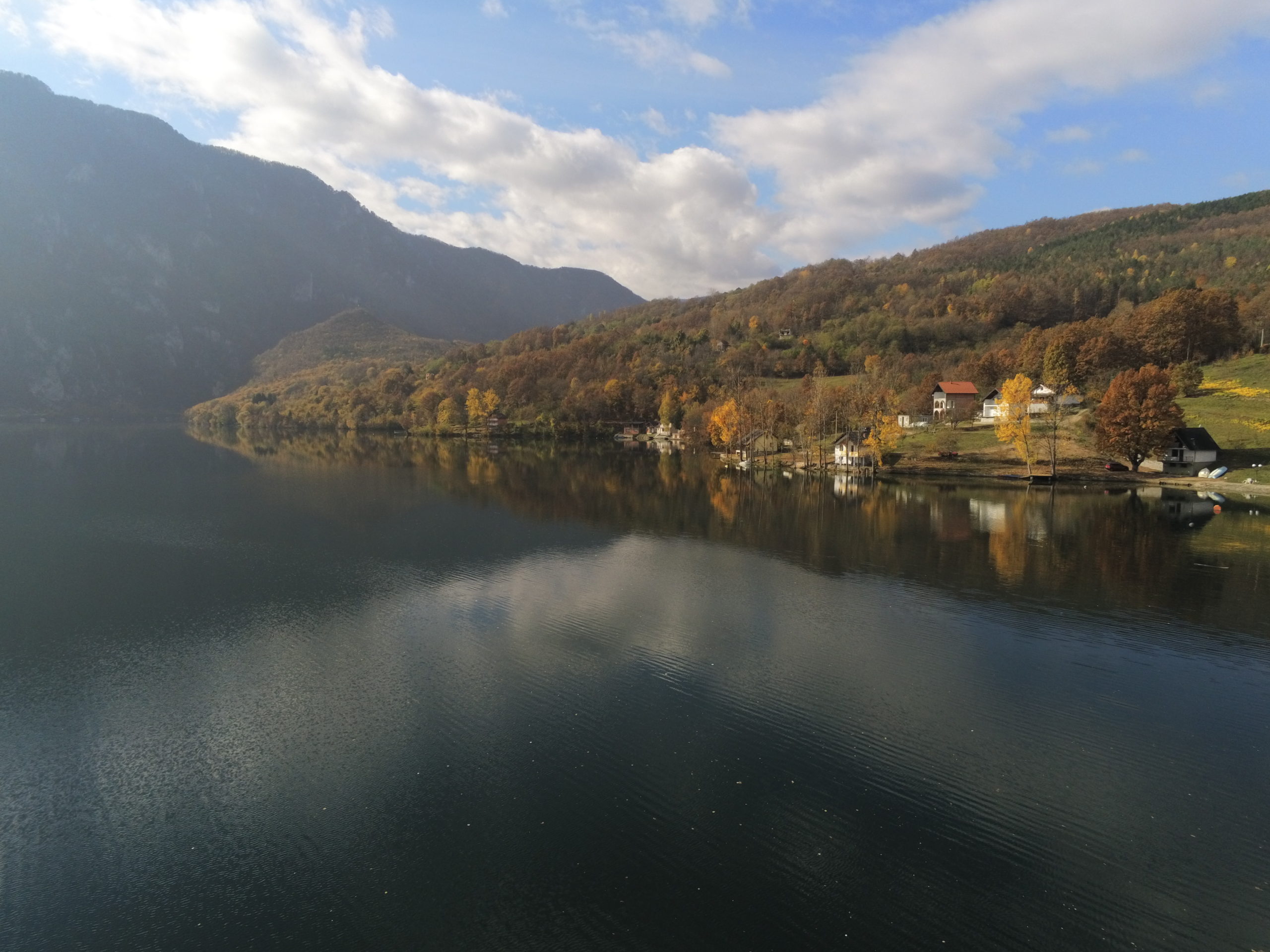
Lake Perucac is an artificial lake on the Drina River, bordering both Bosnia and Herzegovina and Serbia, and lying between the city of Visegrad on the Bosnian side and the town of Bajina Basta on the Serbian side. The location was used for the disposal of corpses during both world wars, as well as during the 1990s conflicts. 

So far, the remains of 238 people who died in the 1990s wars have been identified in Lake Perucac, after being killed either by the Bosnian Serb Army or the Yugoslav Army and police. Some of the victims whose bodies have been found in the lake were killed in Srebrenica, Zvornik and Visegrad during the 1992-95 war in Bosnia and Herzegovina, while 84 of the bodies were those of victims of the 1998-99 war in Kosovo.

The location of the mass grave is unmarked, and Lake Perucac is a popular tourist destination with summer houses, restaurants, cafes and water sports facilities. The artificial lake was created in 1966 to serve the needs of the hydroelectric power plant in Bajina Basta, a town some 13 kilometers away.

The first exhumations of bodies at the lake were carried out by the International Commission on Missing Persons in September 2001, when the remains of ethnic Albanian victims from Kosovo were found. 

A decade later, after the site was re-examined after a request from the Institute for Missing Persons of Bosnia and Herzegovina and the Working Group for Missing Persons in Pristina, there were more excavations, during which the remains of mostly Bosniak victims killed during the war in Bosnia and Herzegovina were found.

In 2013, even more human remains were found after the authorities lowered the level of the lake. 

The remains of 10 children have been found at this lake, of whom the youngest, a boy named Haris Podzic, was three-and-a-half years old. The remains of 40 women have also been found, most of them from the city of Visegrad. 

Judges at the International Criminal Tribunal for the Former Yugoslavia, ICTY described the atrocities committed in Visegrad during the Bosnian war as one of the “most notorious campaigns for the deportation of Bosniaks”. Most of the bodies were thrown into the River Drina, but the current washed them into the lake. 

The bodies of people killed in the Kosovo war were dumped directly into the lake. After some of the corpses started floating near the dam of the hydroelectric power plant in Lake Perucac, Vlastimir Djordjevic, a high-ranking Serbian Interior Ministry official, said that “measures should be taken to clear up the terrain”. This was followed by a secret state operation to move the corpses from the water to a mass grave on the shore. 

The operation was carried out by Interior Ministry operatives including Djordjevic who was later sentenced to 18 years in prison by the ICTY.

Several other people have been prosecuted by the ICTY for crimes related to the mass grave at the lake. The tribunal sentenced Mitar Vasiljevic, a former member of the White Eagles paramilitary group, to 15 years in prison for crimes committed in the area. It also sentenced Milan and Sredoje Lukic, both former leaders of the same paramilitary group, to life imprisonment and 30 years in prison respectively.

Zeleni Jadar 6

Zeleni Jadar is an area some 20 kilometres south of Srebrenica in eastern Bosnia where at least seven clandestine gravesites were found, all of them secondary mass graves connected with the attempted cover-up of the July 1995 Srebrenica massacres. 

The Zeleni Jadar 6 mass grave was discovered in 2001 and the remains of 135 people were exhumed. 

From Srebrenica, it is a half-hour drive to the hills of Zeleni Jadar, where unmarked gravesites lie on both the left and right sides of the road, in forests and fields. 

According to the report compiled by investigators from the International Criminal Tribunal for the Former Yugoslavia, most of the victims buried at the site were male, aged from eight to 65 years old. Six of them were 17 or under. Clothing was still present on most of the bodies, while some had signs of burning. The vast majority were found to have died from gunshot injuries. Only a few personal belongings were found – watches and smoking-related items. The primary mass grave from which human remains were moved to Zeleni Jadar 6 was the one at Glogova, located close to the town of Bratunac.

As at the Zeleni Jadar 5 mass grave, concrete, plaster and other building materials detected in the grave matched those from a warehouse at a farm in Kravica, close to the town of Bratunac. On July 13 and 14, 1995, Bosnian Serb forces killed 1,313 Bosniaks from Srebrenica in Kravica. 

After the fall of Srebrenica in July 1995, more than 7,000 Bosniak men were killed and most of them buried in July in six primary mass graves: Branjevo, Kozluk, the Petkovci Dam, Cerska, Orahovac and Glogova. During September and October 1995, the primary graves at these locations were dug up by Bosnian Serb forces and the bodies were reburied in secondary graves in an attempt to cover up the crimes. 

The exhumation and transfer of corpses from Glogova to Zeleni Jadar took place at night over a period of time between August 24 and October 23, 1995. Following instructions from Bosnian Serb Army commanders Vujadin Popovic and Vidoje Blagojevic, another high-ranking officer with the Bosnian Serb Army, Momir Nikolic, assisted in the exhumation and reburial operation. 

The reburial operation was dubbed ‘asanacija’ in Serbian, meaning hygiene and sanitation measures. According to Nikolic, ‘asanacija’  normally involved the removal and burial of dead bodies from a battlefield, but in this case, the term referred to the relocation of the bodies buried in Glogova to smaller secondary graves in the area surrounding Srebrenica, Zeleni Jadar in particular. The operation was supposed to be a covert one but was carried out openly and required the involvement of a lot of manpower, resources, assets and vehicles.

The Bratunac Brigade Military Police secured the road from Bratunac to Srebrenica in order to facilitate the movement of the vehicles through inhabited areas. They also secured the grave sites as workers from the Municipal Staff for Civilian Protection of Bratunac did the digging work. Civilian police officers were involved as well. An excavator loader and a backhoe excavator were used for the digging and four to five trucks were used to transport the bodies from Glogova to Zeleni Jadar.

For these and other crimes related to the killings in Srebrenica, the ICTY and domestic courts in the Balkans have sentenced a total of 47 people to more than 700 years in prison, plus five life sentences.

Zeleni Jadar 5

Zeleni Jadar is an area some 20 kilometres south of Srebrenica in eastern Bosnia where at least seven clandestine gravesites were found, all of them secondary mass graves. The first one discovered, known as Zeleni Jadar 5, was found in 1998, yielded the remains of people killed during the Srebrenica genocide in July 1995. 

The area remains unmarked – clandestine grave sites were scattered along both sides of the road, some of them deeper into a forest, some in fields, some close to the river that bears the same name as the area, Jadar. 

Many of the body parts found in the graves in Zeleni Jadar matched remains found at the Glogova 1 and 2 gravesites. At all of the Zeleni Jadar graves – Zeleni Jadar 1A, 1B, 2, 3, 4, 5, and 6 – links with the Glogova 1 primary grave were established through the identification of body parts belonging to the same individuals found in both the Glogova 1 grave and one of the secondary graves.

At the beginning of the excavation, forensic teams from the International Criminal Tribunal for the Former Yugoslavia, ICTY noted that most of the bodies found were incomplete, while clothing was present on most of the bodies and relatively few had personal possessions like watches, jewellery, smoking-related items and papers. 

The age of the victims found ranged from eight to 65. One of the youngest victims found was a 14-year-old, Senad Beganovic, whose body parts were found in four mass graves including the Zeleni Jadar 5 site. 

According to the ICTY forensic report, most of the victims had gunshot wounds, while a few had injuries from explosions and explosive devices. 

At Zeleni Jadar, seven gravesites can be linked to executions at a warehouse at a farm in Kravica, close to the town of Bratunac. On July 13 and 14, 1995, Bosnian Serb forces killed 1,313 Bosniaks in Kravica. 

Remains of the victims of a separate mass shooting in a hangar behind the Vuk Karadzic school in Bratunac, where 400 Bosniaks were detained on July 13, 1995, were also found at Zeleni Jadar.

So far, the ICTY and domestic courts in the Balkans have sentenced a total of 47 people to more than 700 years in prison, plus five life sentences, for Srebrenica crimes.


Branjevo

The mass grave in Branjevo in north-eastern Bosnia and Herzegovina was one of the first five mass graves to be discovered almost a year after the war ended. It was found by the investigators from the International Criminal Tribunal for the Former Yugoslavia about 130 metres from the Branjevo Military Farm, where more than 1,000 Bosniaks from Srebrenica were executed in July 1995. 

It is а deep, primary grave on the edge of a large, cultivated field near the village of Pilica on the western side of the River Drina, across a bridge from neighbouring Serbia. 

The area where the grave was found is now almost unrecognisable and difficult to find as it lies in the middle of a recently-built village, spread among private houses, agricultural fields and a small forest. 

The Branjevo Military Farm building was also torn down after the war and the Bosnian Serb authorities built a new neighbourhood at the site with a church, private homes, shops and other buildings. The land originally belonged to the Agroprom company, but in 1994 it was requisitioned by the Bosnian Serb Army’s Zvornik Brigade to produce food for soldiers.  

А preliminary reconnaissance of the area was conducted in April 1996, while autopsy examinations of victims were carried out in October that year.

It was found that the victims were killed away from the grave and subsequently placed in it. The wrists of 77 of them were bound. According to a forensic report compiled by Physicians for Human Rights, all the individuals found in the mass grave were dressed in civilian clothing with the exception of one person who was wearing military trousers. 

Forensic reports and witness testimonies at the International Criminal Tribunal for the Former Yugoslavia, ICTY, including testimony from people who were part of the killing squads, confirmed that most of the victims found in Branjevo grave were killed at the Pilica Cultural Centre by Bosnian Serb forces in mid-July 1995. 

After the fall of Srebrenica to Bosnian Serb forces, captured Bosniaks were brought by buses to Branjevo Military Farm for execution. Survivors described being led in groups to a meadow littered with corpses and told to turn their backs. On July 16, 1995, soldiers at Branjevo Military Farm were ordered to go some five kilometres east to the Pilica Cultural Centre to kill around 500 Bosniaks who were being detained there. Firing and explosions could also be heard that afternoon in Pilica itself, coming from the direction of the Cultural Centre. No one survived the execution. The inside of the Pilica Cultural Centre was described as having corpses “piled up on each other, just lying there scattered all over the place” and the bodies – two of which were female – were all wearing civilian clothes. The bodies were then buried at Branjevo Military Farm. 

So far, the ICTY and domestic courts in the Balkans have sentenced a total of 47 people to more than 700 years in prison, plus five life sentences, for Srebrenica crimes.

Kozluk

Kozluk is a primary mass grave of Bosniaks from Srebrenica, near the village of Kozluk, 15 kilometers north-east of the city of Zvornik. The site is approached by а road that passes the Vitinka soft-drink bottling factory in Kozluk. The road degenerates into а track as it reaches an area used for rubbish dumps and gravel extraction by the River Drina. The gravesite remains unmarked. 

In 1998, investigators from the International Criminal Tribunal for Former Yugoslavia visited the site and discovered disturbed soil. They returned in June 1999 and began the process of exhumation. DNA examinations bу the International Committee on Missing Persons indicated that there were 341 victims in the Kozluk grave. However, investigations concluded that before the exhumation started, some bodies had been removed from the grave as part of attempts by the Bosnian Serb Army to cover up the killings. 

After execution, the victims killed at the Kozluk site were covered with soil rather than being buried in pits. They were found wearing civilian clothes. Thousands of broken green glass bottles had been dumped before the execution happened, as well as labels from the nearby Vitinka water and soft drinks bottling factory, and this was one of the factors that helped to link the primary mass grave at Kozluk to secondary mass graves at Cancari Road 1 (Kamenica 14), Cancari Road 2, Cancari Road 3,  Cancari Road 7 and Cancari Road 13, as well as DNA analysis, soil analysis and the large number of bodies that had ligatures and blindfolds. 

The ICTY judgment in the trial of  Dragan Jokic, Chief of Engineering for the Zvornik Brigade, and Vidoje Blagojevic, commander of the Bratunac Brigade of the Bosnian Serb Army, said that on or about July 15 or 16, 1995, Bosnian Serb Army military personnel, under the command and control of commanders Ratko Mladic, Radislav Krstic and others, transported approximately 500 Bosniak males to an isolated place near Kozluk, which was inside the Zvornik Brigade’s zone of responsibility. They were then summarily executed by Bosnian Serb military personnel with automatic weapons. On or about July 16, 1995, military personnel from the Zvornik Brigade’s Engineering Company, again controlled by Mladic, Krstic and others, buried the victims in a mass grave at the site. Jokic assisted in the planning, monitoring, organising and carrying out of the burials.

Blagojevic was sentenced to 15 years in prison for aiding and abetting the murder and persecution of Bosniaks, including those executed at Kozluk. Jokic was sentenced to nine years in prison for the murders of Bosniaks at locations including Kozluk, and for providing engineering resources and personnel to dig graves for the victims.

The ICTY’s trial chamber also found that Vujadin Popovic, chief of security with the Bosnian Serb Army’s Drina Corps, knew about the operation to kill the Bosniaks, and organised it with Ljubisa Beara, chief of security with the Bosnian Serb Army’s main headquarters, and Drago Nikolic, a security officer with the Bosnian Serb Army’s Zvornik Brigade. Popovic was present when the executions were carried out at Kozluk, as well as at another killing site in Orahovac. Popovic, Beara and Nikolic were all convicted by the ICTY of involvement in the genocide of Bosniaks from Srebrenica.

Srecko Acimovic, commander of the Bosnian Serb Army Zvornik Brigade’s Second Battalion, acting on orders received from the Zvornik Brigade’s command, provided ammunition and issued an order to transport the prisoners to the banks of the Drina River in Kozluk, where they were killed and buried. Acimovic was sentenced by the Bosnian state court to nine years in prison for assisting the genocide.

In 2015, in the fourth exhumation at Kozluk, a new gravesite was found and the remains of a further 55 people discovered – 15 complete and 40 incomplete bodies. As some remains were transferred from the Kozluk site to other locations, the search for at least 200 more bodies continues.

Glogova 2

The Glogova 2 mass grave was discovered in September 1999 in the village of the same name in the eastern Bosnian municipality of Bratunac. The excavation lasted from mid-September to late October around a dirt road between Konjevic Polje and Bratunac. The grave was heavily disturbed and was made up of several smaller-sub graves, in which a total of 140 remains were found.

Most of the individuals buried in the mass grave were male. At least 41 of them were aged from 14 to 24. The majority had sustained gunshot wounds. 

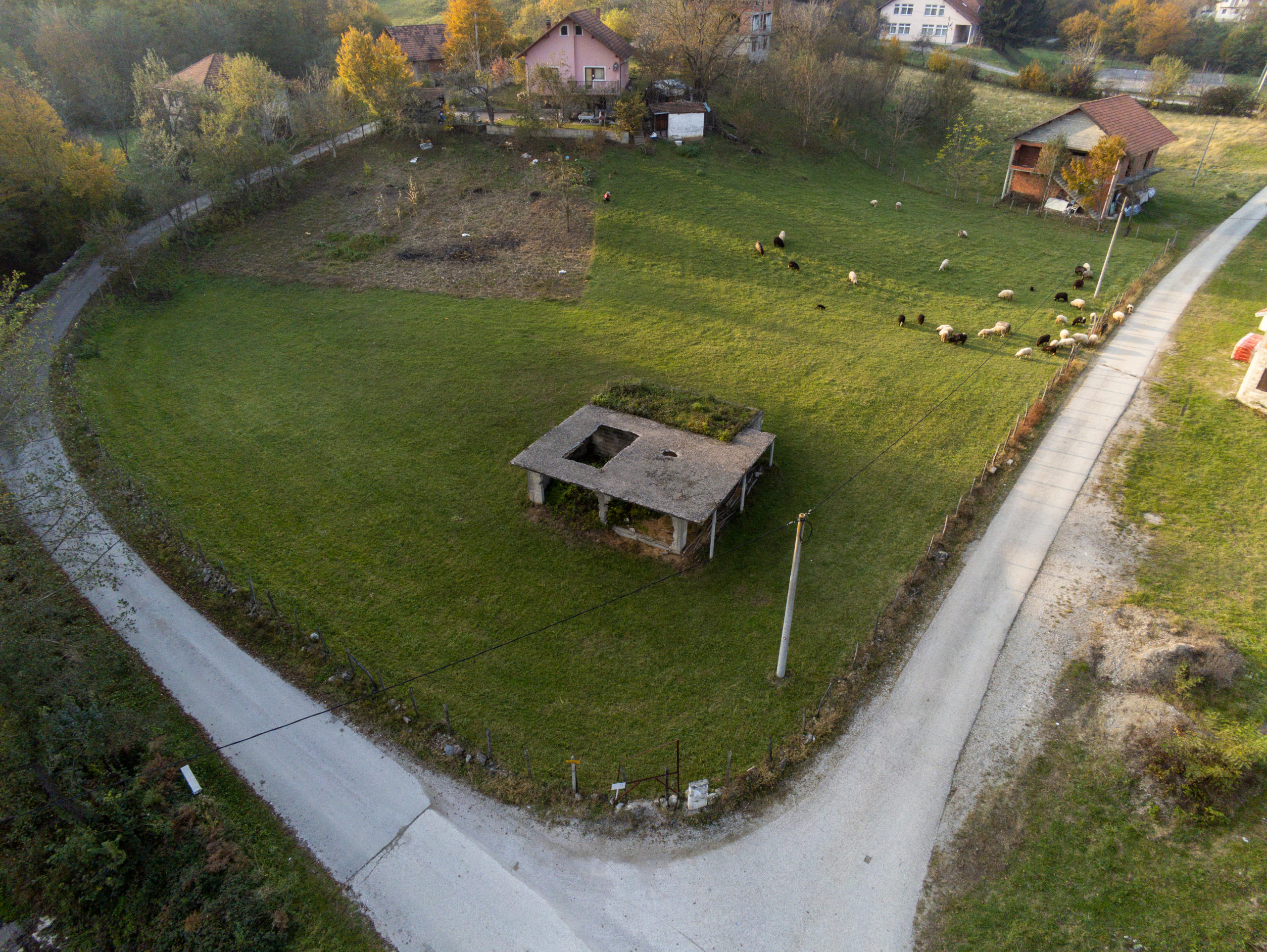
The location of the mass grave remains unmarked. It lies in open fields next to a busy village road, surrounded by a few houses.

The exact location was discovered by ICTY investigators after the United States provided an aerial image showing that the ground at the site had been disturbed.  

Aerial imagery dated July 17, 1995 showed bulldozers parked nearby and disturbed soil, while imagery from October same year captured the additional excavation activities.

Glogova 2 is a primary mass grave containing the bodies of victims killed by Bosnian Serb forces during the fall of Srebrenica in July 1995. Following additional forensic analysis of the remains, it was determined that a number of victims from Glogova 2 were reburied more than 40 kilometers away in another mass grave named Zeleni Jadar 5 in an additional attempt to cover up the killings.  

Comparison of the ejector marks on shell casings recovered from the Zeleni Jadar 5 grave with shell cases found at the Kravica warehouse execution site, where many Bosniaks from Srebrenica were shot dead, showed that a number of people that were buried in Zeleni Jadar 5 and Glogova 2 were killed at the warehouse, according to the ICTY investigators. 

Various domestic and international verdicts have established that Bosnian Serb forces killed 1,313 Bosniaks from Srebrenica in a hangar at an agricultural farm in Kravica on July 13 and 14, 1995. Between July 14 and 16, heavy equipment arrived and removed the victims’ bodies to mass graves in the nearby villages of Glogova and Ravnice.

So far, the ICTY and domestic courts in the Balkans have sentenced a total of 47 people to more than 700 years in prison, plus five life sentences, for Srebrenica crimes.

Liplje 2

Liplje 2 is a secondary mass grave, located in the village of Liplje, eight kilometres south-west of the city of Zvornik. The site was exhumed in August 1998 by a team from the International Criminal Tribunal for the Former Yugoslavia, ICTY.   The remains of 191 people were found; 163 were identified.

The DNA analysis showed connections between this secondary gravesite and a disturbed primary gravesite at Petkovci Dam. A forensics report by the International Criminal Tribunal for the Former Yugoslavia, ICTY on Srebrenica exhumations said that this means that the remains of one individual were found in at least two different graves. The investigation also showed DNA connections between the site and four more gravesites in the same area. This indicates that remains that were dug up and removed from the primary mass grave at Petkovci Dam were transported to Liplje, 20 kilometres away. 

The gravesite is located on a meadow, surrounded by a few houses and a small bridge, and is close to the Liplje 1 gravesite. Next to the gravesite there are two memorial plaques, one honouring the Bosniaks who were held in a detention camp in the village in 1992, and the other commemorating people who were killed in the villages of Snagovo, Liplje, Josanica, Sumari, Sultanovici and Novo Selo between 1992 and 1995. The gravesite itself remains unmarked. 

On July 14, 1995, Bosnian Serb Army and police personnel transported approximately 1,000 Bosniak men from Srebrenica from detention sites in and around Bratunac to a school at Petkovci, ten kilometres from Zvornik. On July 14, 1995 and in the early morning hours of July 15, Bosnian Serb troops and police assaulted and shot men being detained at the school.

Around July 14, 1995 and in the early morning hours of July 15, personnel from the Bosnian Serb Army’s Zvornik Brigade including drivers and trucks from the Sixth Infantry Battalion transported the surviving Bosniak men from the school at Petkovci to an area below the Petkovci Dam. They were then summarily executed by Bosnian Serb Army soldiers and police with automatic weapons. In the morning of July 15, personnel from the Zvornik Brigade’s Engineering Company, working with other individuals and units, used excavators and other heavy equipment to bury the victims while the executions continued.

A man who hid beneath dead bodies to avoid execution at the dam told the trial of former Bosnian Serb Army general Ratko Mladic at the ICTY that when he was brought to Petkovci, the field under the dam was “already covered in bodies”. The witness, who testified under the codename RM-253, said he dropped to the ground as soon as soldiers opened fire on his group and hid his head underneath the legs of some prisoners who were already dead, hoping to survive.

While RM-253 and another survivor were hiding, they saw “a truck which was collecting bodies and loading them onto a tractor, which then transported them away from the killing field”. 

So far, the ICTY and domestic courts in the Balkans have sentenced a total of 47 people to more than 700 years in prison, plus five life sentences, for Srebrenica crimes. 

Liplje 4

Liplje 4 is a secondary mass grave, located in the village of Liplje, eight kilometres south-west of the city of Zvornik. The site was exhumed in October and November 2001 by the Bosnian Federal Commission for Missing Persons.  The remains of 305 people were found; 269 were identified.

The DNA analysis showed connections between this secondary gravesite and a disturbed primary gravesite at Petkovci Dam. A forensics report by the International Criminal Tribunal for the Former Yugoslavia, ICTY on Srebrenica exhumations said that this means that the remains of one individual were found in at least two different graves. The investigation also showed DNA connections between the site and four more gravesites in the same area. This indicates that remains that were dug up and removed from the primary mass grave at Petkovci Dam were transported to Liplje, 20 kilometres away. 

The Liplje 4 gravesite is located on a meadow, next to a road and a house that was destroyed during the war. The site remains unmarked. 

On July 14, 1995, Bosnian Serb Army and police personnel transported approximately 1,000 Bosniak men from Srebrenica from detention sites in and around Bratunac to a school at Petkovci, ten kilometres from Zvornik. On July 14, 1995 and in the early morning hours of July 15, Bosnian Serb troops and police assaulted and shot men being detained at the school.

Around July 14, 1995 and in the early morning hours of July 15, personnel from the Bosnian Serb Army’s Zvornik Brigade including drivers and trucks from the Sixth Infantry Battalion transported the surviving Bosniak men from the school at Petkovci to an area below the Petkovci Dam. They were then summarily executed by Bosnian Serb Army soldiers and police with automatic weapons. In the morning of July 15, personnel from the Zvornik Brigade’s Engineering Company, working with other individuals and units, used excavators and other heavy equipment to bury the victims while the executions continued.

A man who hid beneath dead bodies to avoid execution at the dam told the trial of former Bosnian Serb Army general Ratko Mladic at the ICTY that when he was brought to Petkovci, the field under the dam was “already covered in bodies”. The witness, who testified under the codename RM-253, said he dropped to the ground as soon as soldiers opened fire on his group and hid his head underneath the legs of some prisoners who were already dead, hoping to survive.

While RM-253 and another survivor were hiding, they saw “a truck which was collecting bodies and loading them onto a tractor, which then transported them away from the killing field”. 

So far, the ICTY and domestic courts in the Balkans have sentenced a total of 47 people to more than 700 years in prison, plus five life sentences, for Srebrenica crimes. 


Liplje 7

Liplje 7 is a secondary mass grave, located in the village of Liplje, eight kilometres south-west of the city of Zvornik. The site was exhumed in September and October 2005 by the Bosnian Federal Commission for Missing Persons.  The remains of 482 people were found; 113 were identified.

The DNA analysis showed connections between this secondary gravesite and a disturbed primary gravesite at Petkovci Dam. A forensics report by the International Criminal Tribunal for the Former Yugoslavia, ICTY on Srebrenica exhumations said that this means that the remains of one individual were found in at least two different graves. The investigation also showed DNA connections between the site and four more gravesites in the same area. This indicates that remains that were dug up and removed from the primary mass grave at Petkovci Dam were transported to Liplje, 20 kilometres away. 

The gravesite is located next to a road, 500 meters from the Liplje 1 mass grave. The site is surrounded by a few houses and woods. 

On July 14, 1995, Bosnian Serb Army and police personnel transported approximately 1,000 Bosniak men from Srebrenica from detention sites in and around Bratunac to a school at Petkovci, ten kilometres from Zvornik. On July 14, 1995 and in the early morning hours of July 15, Bosnian Serb troops and police assaulted and shot men being detained at the school.

Around July 14, 1995 and in the early morning hours of July 15, personnel from the Bosnian Serb Army’s Zvornik Brigade including drivers and trucks from the Sixth Infantry Battalion transported the surviving Bosniak men from the school at Petkovci to an area below the Petkovci Dam. They were then summarily executed by Bosnian Serb Army soldiers and police with automatic weapons. In the morning of July 15, personnel from the Zvornik Brigade’s Engineering Company, working with other individuals and units, used excavators and other heavy equipment to bury the victims while the executions continued.

A man who hid beneath dead bodies to avoid execution at the dam told the trial of former Bosnian Serb Army general Ratko Mladic at the ICTY that when he was brought to Petkovci, the field under the dam was “already covered in bodies”. The witness, who testified under the codename RM-253, said he dropped to the ground as soon as soldiers opened fire on his group and hid his head underneath the legs of some prisoners who were already dead, hoping to survive.

While RM-253 and another survivor were hiding, they saw “a truck which was collecting bodies and loading them onto a tractor, which then transported them away from the killing field”. 

So far, the ICTY and domestic courts in the Balkans have sentenced a total of 47 people to more than 700 years in prison, plus five life sentences, for Srebrenica crimes. 

Cancari Road 5

Cancari Road 5 is one of the largest clandestine grave sites found near the River Kamenica in the Zvornik municipality in north-east Bosnia and Herzegovina.

The remains of 506 people were found, most of them male, in the exhumation carried out from August to October 2002 by the Bosnian Missing Persons Institute, assisted by the International Commission on Missing Persons. 

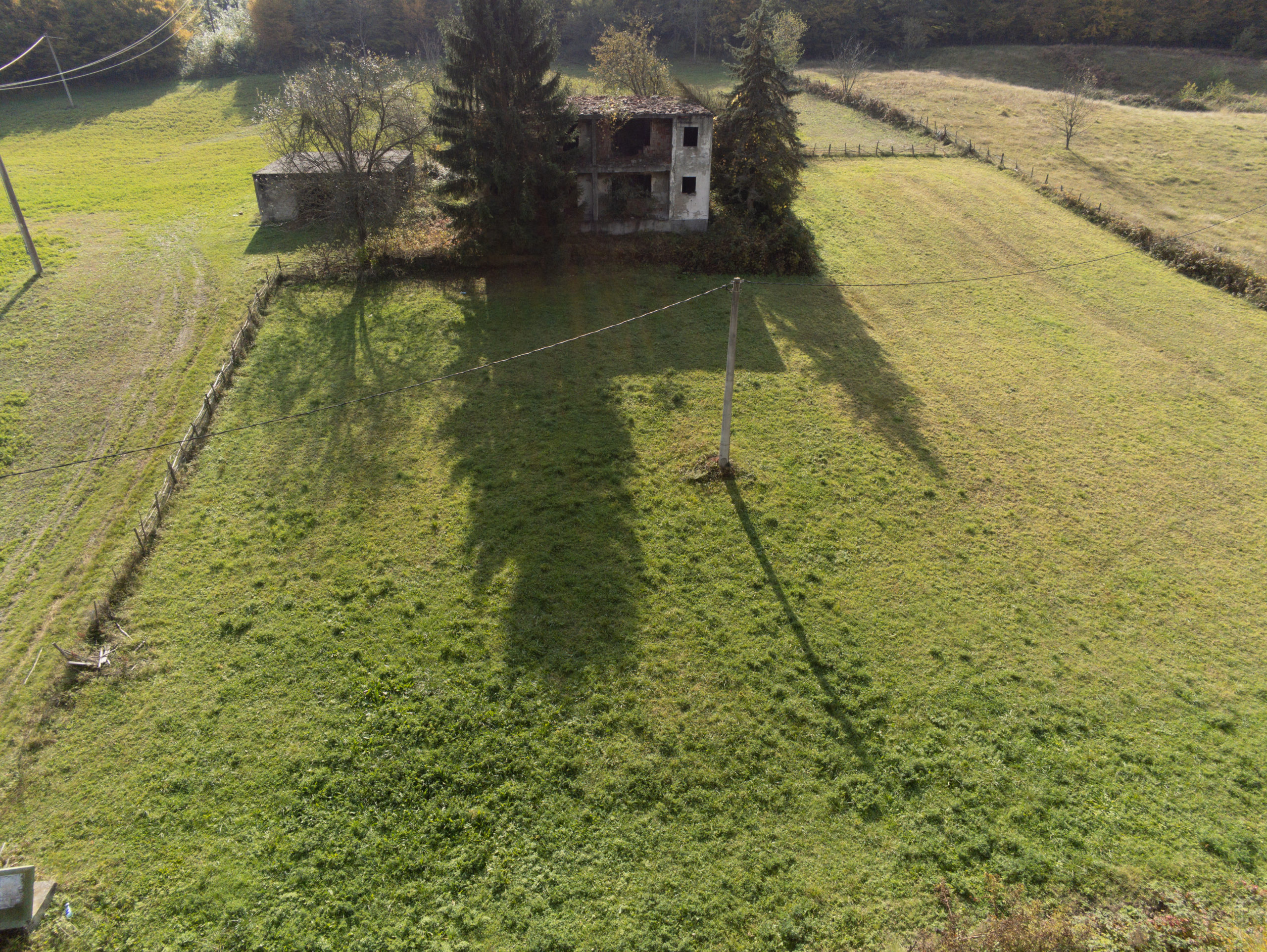
The mass grave is located on the right side of the road that leads through the village of Donja Kamenica. It is a large grass field with one abandoned house nearby. It is also one of the few mass graves in the country that has been marked with a small gravestone listing the number of victims and the year they were killed. 

Most of the victims buried at Cancari Road 5 are Bosniaks from Srebrenica who were killed in July 1995 by Bosnian Serb forces.  

Cancari Road 5 is also a secondary mass grave. Some bodies of Bosniaks from Srebrenica were initially buried close to execution sites in municipalities of Zvornik and Bratunac, but then dug up again and taken by the Bosnian Serb Army to more remote locations. At the time of the cover-up operation, the area around Kamenica was abandoned, as most of the Bosniaks who lived there before the war had either been killed or expelled. However, after the end of the war in November 1995, Bosniak refugees started to return and rebuild their houses, and they were the first to raise the alarm about human remains that they found in their yards and fields.